As we are in the midst of a fourth crowd-funding campaign to transcribe and make available the charts of Black bandleaders and their bands from the swing era, with Al Cooper and the Savoy Sultans as the band for 2023, I wanted to take a moment and highlight the importance of this work and the legal hurdles that often prevent this music from being more widely available and prevent these venerable musicians from being better known by the public. United States copyright law has catered to corporations and their lobbyists (particularly a certain dynastic purveyor of cartoon princesses, endearingly silly critters, and acquirer of a certain multiverse), extending the copyright term well beyond what is beneficial to the artist, focusing on corporate ownership, to the detriment of the public domain. We are dancers of historic American vernacular dances, some approaching an age that would be considered antique if a piece of furniture, and yet we struggle for this music to be available for live performance, competition videos on YouTube, and other media that would benefit from this music being in the public domain.
As a broad generality, for works created after January 1, 1978, copyright protection lasts for the life of the author plus 70 years. Contrast this with Article I, Section 8, Clause 8 of the United States Constitution: “[The Congress shall have Power . . . ] To promote the Progress of Science and useful Arts, by securing for limited Times to Authors and Inventors the exclusive Right to their respective Writings and Discoveries.” In 1790, Congressmen interpreted this to mean 14 years with a potential 14 year renewal, for a total of 28 years. I won’t go into the details of how we went from 14 years to a life (which continues to get longer as medical science evolves) + 70 years, but the only limitation is Congress’s willingness to make the term itself as a limitation (as opposed to copyright in perpetuity), not that the time is particularly limited in its duration
At this point, almost all of the music from the swing era is controlled by corporations and very little of the money is actually going to the artist’s family. None of these artists are alive.
When we embarked on the first transcription project in 2016, to create enough charts for a night of live music and dancing to the Chick Webb Orchestra’s songbook at Lindy Focus, I knew it would be a lot of work to obtain licenses to be able to subsequently publish the sheet music for 30+ songs on the Heritage Sounds website. I did not anticipate the extent of what this meant and how difficult this particular music would be to license. Here is an overview of the steps I took to obtain these licenses:
1. Research the copyright – determine who wrote the song and whether that song is still under copyright. For works published or registered between 1923 and 1977, the maximum copyright duration is 95 years from the date of publication, if copyright was renewed during the 28th year following publication. Since it was 2016 at the time I started this research, if it was written before 1923, the assumption was that the song is in the public domain; if 1923 or after, the assumption was that it was under copyright. When 2019 rolled over, the public domain date went up to 1924 and has continued to proceed without corporate pressure for Congress to enact a new copyright extension. We are now up to works published prior to January 1, 1928 having come into the public domain. The Music Modernization Act is supposed to create a database to help with this kind of research, but since that is still only a concept at this point (that I’m aware of), I would dig through the usual websites to try to determine the creator of the work. I usually start with the Harry Fox database, then move on to ASCAP and BMI, then I do internet searches if those sources fail. Sometimes the liner notes on CDs or records will have helpful information. As of the writing of this blog post, my most recent research found that ASCAP and BMI have combined their searches, so I can use the ASCAP search for both and not have to input queries into two separate websites.
2. Locate the entity that does the music publishing licensing – this is probably the most frustrating part. Start with the databases at Hal Leonard and Alfred Music – between these two companies, it’s likely that most of what you are seeking to license is controlled by one of these two companies. If the song you are researching is not in either of these databases, you will have to track it down – no one ever posts information about who does their music publishing licensing, but there is usually information available about who controls the mechanical licensing. This means that I am web-form-submitting, emailing, and/or calling (or all three) and leaving a message asking who does the music publishing licensing. Be persistent, someone in these big conglomerates has this information, you just have to figure out who.
3. Determine the parameters of your license – keep in mind that the copyright holder takes 50% of the sales price and, in most cases, the licensee has to pay that 50% upfront for the number of copies you are seeking to obtain permission to sell. It is difficult to figure out how many copies you plan to sell, but more often the consideration is what you can afford in terms of the number of licenses. Sometimes the licenses will require an annual or bi-annual accounting, but those licenses are in the minority. Sometimes these middlemen will put a time frame on the license, to incentivize you to sell your copies within that time frame. A license for digital copies is more cost-effective than a license for paper copies. You will probably want to limit the scope of your selling, for the purposes of obtaining licenses, to the US, as international distribution is likely to cost more. The cost is determined by the market and whatever you negotiate – we wanted to keep the cost of the charts pretty low, so I researched charts on several websites and arrived at $30/chart (as compared to the Essentially Ellington charts at $50 a pop).
Her hopeful face glazed over as she was sent to yet another voicemail inbox…
4. Request a license – Hal Leonard and Alfred Music have online web forms where you submit your request. Others you will have to email with your information – tell them you want a license for X song, written by Y composer(s), to sell Z number of copies priced at $ to sell digital copies in the US. That should be enough to get the ball rolling. The important thing to note is that they don’t have to give you a license – unlike bands who record cover songs, there is no compulsory license for sheet music publishing rights. Heritage Sounds has definitely been denied publishing rights, which seems wild given that licensees are paying up-front for most of these licenses – why would copyright owners refuse cash in hand? Everyone except Hal Leonard has granted me the licenses I have sought on behalf of Heritage Sounds. Though Hal has given us some licenses, they have tended to keep everything at arm’s length, while everyone else I have encountered has been personable, helpful, and responsive to my questions as I navigated this terrain. The time frame varies – sometimes I can get a license within a few weeks; typically, it has taken Hal Leonard 6 months or longer to even respond to my initial request (even though their website lists a much shorter time frame). I still have many outstanding inquiries that have received no response, from Hal Leonard and others, over the course of the three prior transcription projects (Jimmie Lunceford, Lionel Hampton, and the aforementioned Chick Webb).
5. Review license carefully – read the agreement carefully to ensure you aren’t signing too many rights away to someone and don’t be afraid to ask questions. Most of these companies have a standard license; in some cases, I have had to draft my own. Once the license is executed, review the terms again and make notes about any actions you need to take, such has time frames for licensing or accounting, notice requirements for what information you need to put on the published sheet music, etc. Managing these licenses, their different time tables, payees, methods of payment, etc. is a meticulous, time-consuming task, one that we should all thank Jaya Dorf for managing.
6. Not every song can be found – sometimes there’s nothing. Sometimes there’s partial information, but not enough to connect you with a composer, lyricist, and/or copyright holder. Sometimes there’s conflicting information. In these instances, I advised the group to hold the owner’s 50% portion of sales for these songs in escrow, should a copyright owner surface.
Patience and organization are key – there was definitely a tracking spreadsheet updated every time I sat down to work on these licenses. Each year builds on the next, as the previously negotiated licenses expire and you may need to seek a renewal, which involves more waiting and creates more work to maintain a catalog of charts.
At this point, I have put in close to 100 hours of work on this project. If you were to pay an attorney do this work and that attorney received the same hourly rate that my employer at the time charged clients for my services, that comes out to $30,000. With Heritage Sounds recouping $15 per chart sold, that would mean having to sell more than 2,000 charts (because taxes) to pay for the legal services to keep this project running. The math does not add up for this to be anything but a labor of love.
But we do love this music and have a mission to make it more accessible for live performance. This music should be celebrated, for its exuberance, its creativity, as a historical marker, and for its contribution to the genre of jazz and other art forms. I wish that more of this licensing money would go to people of color, rather than the corporations who have the resources to either buy out these catalogs (and, in many cases, sit on them) or, as often occurred in the swing era, swindle/negotiate/steal the copyright from the artists creating these works (I’m looking at you, Irving Mills, and everyone who took advantage of Fats Waller when he needed money for alimony). My hope is, as this music slowly comes into the public domain in the next couple of decades, that the focus will remain on the contributions of Black jazz musicians, lyricists, arrangers, and bandleaders; that history will represent them as at least as significant as their white contemporaries; and that we will find more ways to ensure that our resources lift up the Black voices of the swing era.
So where do we go from here with Heritage Sounds? We’ll have to take it one year at a time, one project at a time. We started with a lot of ambition, but the amount of work and the global pandemic slowed things down a bit. Whatever happens, I’ll be along for the ride.
[EDITED TO ADD that, after much effort, patience, and the kindness of friends of friends, I am back on Facebook. I’m leaving this post up for posterity, as I’m sure this lack of customer service will continue.)
The Nigerian/Australian/Alabamian* scammer/hacker must have hit the jackpot when they found the Balboa community on Facebook -a close-knit group of kind individuals with years of positive interactions that built trust and mutual respect. Just the kind of people who didn’t think twice about helping a friend, who turned out to be someone fraudulently accessing their friend’s account to gain access to their account so that the cycle could continue indefinitely. Please note that I would never send you a link to a business/investment scheme and I would never ask you for $200 via Messenger, as all my financial requests are done in public and usually involve supporting a non-profit, the arts, and/or a transaction in exchange for music/swag.
It might not have been as bad if it hadn’t occurred on a Monday morning. I subsequently had a busy day at work and didn’t get back to thinking about Facebook until around 8:00 p.m. that night. By that time, the hacker had changed my email, telephone number, and password. Facebook sent me emails after these changes with links to “secure your account,” but the hacker had already changed all information that I would use to secure my account, so this was useless. I spiraled, going through the steps on the Facebook Help Center page for Hacked and Fake Accounts over and over – sometimes it would be a Sysiphian loop going nowhere and sometimes it would lead me to a step that I thought would allow me access, only to deny the access because [insert one of several error messages].
I submitted a copy of my drivers license to Facebook twice in an attempt to recover my account. I attempted to re-set my password upon prompts from this submission and both times I received an error message that I had “entered too many codes.”
I had a brief moment of hope when I was taken through a loop that allowed me to add a second email to my account to receive recovery codes. The main issue with this is that, every time I requested a code, the hacker would also receive the email and be notified of my attempts to recover my account. None of the codes Facebook sent me worked – Facebook sent me five recovery codes via email and, every time I would enter a code, an error message would tell me I had an incorrect code.
In less than 24 hours, the hacker figured out what I was doing and removed the second email from my Facebook account. I received an email asking if I had removed the email from my account and was provided the same link to “secure your account,” which, again, asked for the hacker’s password and would only send recovery links to the hacker’s phone and email.
Thanks to Frankie Hagan for this absolute gem!
Meanwhile, I received text messages every 15 minutes from friends asking if my account is hacked or letting me know that they received a strange message from me on Facebook. This continued for four days. This was incredibly stressful, being constantly reminded that a stranger was in my personal virtual space on Facebook, impersonating me and taking advantage of the trust I built with my friends and the goodwill I built with my businesses and my various positions in the swing dance community.
Other things I did to try to get Facebook’s attention and/or recover my account:
Filed a complaint with the North Carolina Attorney General’s office – I received a generic email response acknowledging the receipt of my complaint. “We’ll review your complaint and work with you and the business to try to reach a resolution of your dispute.” It’s been two weeks, nothing more has happened.
Filed a complaint with the California Attorney General’s office – no email confirmation from this, but I did print out the screen I was told to print that confirmed my submission. No word from them, either.
Ranted on Twitter @laurawindley – this has worked in the past with other businesses who have blown me off for months, but Facebook is the honey badger of customer service, even when threatened with a small claims action and me personally showing up on their doorstep in California. It also had the unwanted side-effect of attracting bots and other scammers who claimed they could recover my account for me.
Ranted on Instagram @mintjulepjazzband – I have a more supportive community on IG than Twitter, so this was more for catharsis and to let my friends know I’m still alive, but had the same unwanted scammers/hackers/bots messaging me about account recovery.
Filed a copyright infringement claim with Facebook – this was denied. Hacker stole my IP and used it to defraud my friends out of money, but whatever, I get it.
Filed a trademark infringement claim with Facebook – I felt like I had a much more compelling argument here: “A hacker who has cut off access to my business Facebook account is using my trademark and its associated goodwill to ask for money from fans of the band. I am attaching photos of message I received, indicating that people received requests for money from the hacker. Several messages are sent by an intermediary/personal acquaintance because I have no other connection to them other than my business with the associated trademark. Please see attachments for screen shots of messages. Prior to the hacker, I had been asking publicly on the band website, Facebook page, and in the Facebook event for advance tips/donations for the Mint Julep Jazz Band sponsored event, the Orchard Park Jazz Picnic, so the timing of the hacker’s requests for money while posing as me/my band could seem legitimate. I have been using Mint Julep Jazz Band as a trademark for my band since 2011. The band has released 3 studio albums, our music has been aired on Sesame Street (the Jon Hamm episode), we’ve performed at Lincoln Center, and last month the band had 22,000 listeners on Spotify. Please get this guy out of my account so I can continue to run my business.” Facebook disagreed. The only resolution they offered was to terminate the Mint Julep Jazz Band Facebook page.
A friend who was also hacked tried the two phone numbers listed online for Facebook, both of which are recordings that direct you to the Facebook Help Center.
When friends texted me about being messaged by the hacker, I asked them to report my account as hacked. Facebook subsequently directed my friends to share the Facebook Help Center page with me.
I know that most people use Facebook casually or to share photos of their kids, but I use Facebook primarily for business and both disseminating and receiving information about the swing dance community, which is tied to both my personal joy and my business. Facebook is the primary means of communication for the swing dance community. Business metrics are important – people care about how many fans/likes you have, how many people you engage with on social media, and Facebook is a critical component.
Here’s what I need to be communicating and have been denied the ability to reach the broadest audience through (unfortunately) the most effective means of communication with friends and fans:
The Empower Foundation fundraiser – “The mission of the Empower Dance Foundation is to provide access to professional dance classes for all children and youth ages 2-18. Empower seeks to eliminate the barriers of economic inequality, racism and representation for young people.” I’m excited to be serving on The Empower Foundation’s Board and help in their fundraising endeavors. This is a chance to promote beauty, creativity, diversity, and opportunity – we are not powerless, we are stronger in numbers, which is why I believe in crowd funding. If Black American dance has brought you joy in your life, consider the value of that gift. The Empower Foundation was established to provide opportunities, scholarships, and outreach for underserved youth; to eliminate economic inequality, inherent racism, lack of representation, and barriers. It takes money, time, and resources to make all of this happen and we’d love for you to be a small part of making this world a more equitable and beautiful place and pay it forward to the next generation of artists. Please consider investing in this community and visit this link to donate.
Keenan McKenzie and the Riffers album Kickstarter – we’re recording in August, campaign runs through June 15, 2023. I’m singing on this album and completely missed that this campaign had launched until someone told me today, because Facebook.
Flying Home – Durham’s Lindy Hop workshop weekend with a killer instructor and band lineup, July 21-23, 2023
Integrated Rhythm Podcast, Episode 39: I LOVE Fabric – Chisomo Selemani, Bobby White, Donna M’Shanga, and I discuss the fashion industry in Zambia and cultural issues stemming from one of my sewing projects. I love love loved this discussion and hope you will, too!
Six Count Podcast – we are so incredibly lucky to have a podcast focusing on the jazz community here in Durham, hosted by Xara Wilde, and I am lucky to be her very first live podcast interview, recorded at a house party surrounded by dancing and music friends.
US Modernist Radio, Episode 301 – this is my second appearance on this architecture podcast and I was delighted to be invited back to talk about music.
There’s more I can’t even tell you yet, but if a tree falls in the forest, no one will know because Facebook won’t give me back my account from the hacker.
This is mostly for catharsis, just me screaming into the void.
My day job is at a company that has a huge customer service component, the calls are non-stop and we are just a North Carolina-based business. I don’t understand how a company as large as Facebook, who profits from our data and who is the custodian of so much of our time, energy, memories, and even our own business’s customer service can get by without any customer service at all.
In the meantime, I’ll just sit over here on my own virtual Elba and wait.
*Reported login locations; time zone consistent with Nigeria.
I’ve been flying to gigs a lot more in the past several years and with that comes the issues of how to transport all the stuff I need as a performer. If we are friends on Facebook, you already know that TSA likes to harass me for wearing metal pincurl clips, so there’s an extra layer of hassle and precaution with them. At this point, I feel like I’ve got my packing down to a system and when I mention how I packed for any given event, some people have suggested that I should do a blog post – so here I am!
NOT CHECKING A BAG
I’ve heard stories of Lindy Hop instructors whose bags were simply lost outright by airlines. As a collector of vintage clothing and someone who has one-of-a-kind performance-wear, this is absolutely terrifying. I’ve definitely had a particularly vulnerable moment at a gate where the agent made me check my bag (she lied, there was still room in the overhead bins) and I essentially wept and said goodbye to my vintage clothing (it survived). Thankfully, I’ve gained a bit more trust back with airlines (thanks, Delta and Southwest), but there are still occasions that arise where I don’t want to check a bag.
For the scenario of not checking a bag, my personal item is a North Face Women’s Recon Laptop Backpack, which I selected after reading a lot of reviews about backpacks. I am a 5’3” tall woman with a history of lower back problems, so it was essential that my travel backpack be comfortable and to scale, in addition to being functional. Things I like about this bag:
It’s large enough to carry all my stuff without overwhelming my frame
Ample padding in the back and straps
Curved straps to accommodate my lady dimensions and personal comfort
Easily accessible, soft fabric-lined top pocket for easy access to electronics items
Front main pocket with sensible organization system inside
The bottom of the front main pocket seems to be bottomless at times – when the main pack is full, I feel like I can always push down more stuff into that area
The back padding is firm and feels secure when I put that laptop in the interior laptop pocket
The front mesh pocket is great for things that need to be hastily stowed or thrown away later
Mesh side pockets for water bottle and umbrella (if needed)
Hip and upper chest straps to help redistribute the weight, great for when you have to run to catch a connecting flight or have to hike a million miles to the next terminal
Things I don’t like about this bag – it doesn’t stand up on its own, it’s a leaner. There’s usually something to lean it against, so it’s not a deal-breaker. My guess is that this is a sacrifice for the shape/design of the bag that makes this comfortable and not feel like a dump truck sitting on my bum/lower back.
I pack my toiletries, makeup, jewelry, medications, hair electronics, steamer, and incidental items I may need in flight or at the airport in the backpack. This means my toiletries need to be travel sized in order to comply with carry-on liquid regulations and conserve space in my backpack. I am fortunate that I am able to do this, including makeup liquids, but it does mean making some very specific decisions about what I will need and what I can do without. I don’t trust quart sized plastic bags to be durable enough, so I have a comparably sized cosmetic bag (similar to this one) made of more durable clear plastic and keep a quart-sized Ziplock bag within that bag. Only one TSA agent has made me prove that everything would fit in the Ziplock.
The travel toiletry that has made the biggest difference for trips where I don’t check a bag is trading travel bottles of shampoo and conditioner for a Lush shampoo bar. Not having those two bottles in my quart-sized bag means space for other liquid toiletries. Bar soaps FTW!
My husband received a Skyroll for Christmas one year and it quickly became my go-to carry-on, such that I was later gifted one for Christmas because I used his so much. The concept is that there is a cylindrical core with entry points at each end for packing shoes and other items that are not flat and a garment bag that wraps around this core for your clothing. As someone who wears dresses most of the time, this is a brilliant piece of luggage. I usually stow my shoes in one end (2-3 pairs, depending on the shoes) and everything that doesn’t fit anywhere else in the other end. Because hangers tend to make the Skyroll bulky, I have a collapsible travel hanger that I pack and simply lay my clothing flat in garment bag without hangers, zip it up, then roll up the garment bag (it Velcros to the core, then clasps together). When I get to where I am going, I can steam each garment as I need to wear it. The Skyroll fits in every overhead bin I’ve ever encountered with it, thankfully; but I’m not often in a puddle jumper.
CHECKING A BAG
I was gifted an Away suitcase (The Medium) for Christmas a couple of years ago, after a tip from dance instructor LaTasha Barnes, and it is definitely the best suitcase I’ve ever had. On first inspection it seems like there’s not a lot to it, but simplicity doesn’t necessarily mean it’s lacking – the simplicity means that there’s every possible square inch to cram your belongings. The exterior is lightweight and incredibly durable German polycarbonate that has magically transported my belongings without incident, including rum, wine, and two jars of honey. This bag rolls like a dream through the airport and as well as can be expected over asphalt parking lots, all on 360 degree wheels.
The Medium is somehow the perfect size for a 2 or 3 night gig weekend – which means if I wasn’t having to change from day-wear to performance-wear, it could accommodate a longer non-work trip, as well. I have also used it for a weekend trip to my parents’ house, it just seems to accommodate whatever I’m doing.
The suitcase is divided into two sections – one side zips up with a mesh panel to separate it from the other section and this is where I store my toiletries, wet set tools and products, hair flowers, hair electronics, steamer, sewing kit, and anything else that is not clothing. I essentially leave the mesh side of my suitcase packed at all times, as I have a travel double of almost everything I use in my daily life. Clothing and shoes go in the other side, which has two adjustable straps with closures to secure them. I typically roll my day-wear outfits and I have an insubstantial garment bag that I place my performance clothing in with hangers, then accordion fold onto the top of that side of the suitcase after the day-wear and shoes are already packed. I use said garment bag now because TSA pilfered through a suitcase where I had carefully laid out my vintage/performance dresses on the top of that side of the suitcase and there’s nothing like seeing crumpled 1940’s rayon shoved hastily into your checked bag to incite rage and inspire alternative packing solutions.
I also like that this suitcase can be locked with a combination and TSA has some sort of special key that opens the suitcase – as long as I don’t have to keep track of a key and deal with a lock, we are good. I don’t like TSA going through my stuff and re-packing it sloppily, but at least there’s no forced entry.
For domestic flights, my backpack remains the same North Face bag mentioned above as my personal item that I stow under the seat, only the toiletries, hair electronics, and steamer have moved to the checked bag.
Swing DJ and sound man Rob Moreland recommended the eBags packing cubes to me, because of the array of things he probably knew I needed to transport in a limited space – who doesn’t need more bags for inside your bags? I got the 6 piece value set and, while I rarely use all 6 at the same time, I do use different configurations of these at different times, usually to compartmentalize types of undergarments and pack accessories like scarves and belts. Each packing cube has a handle, which has come in handy when you get somewhere and need a smaller bag to transport something or I’ve put an entire outfit or components of an outfit in there, so that when I got to the hotel and had to go immediately to the gig/sound check I have everything in one cube I can grab easily out of my suitcase.
INTERNATIONAL FLIGHTS
When traveling internationally, my personal item/carry-on changes to the eBags TLS Mother Lode Weekender Convertible Junior – it’s a larger capacity backpack that opens up on the side like a suitcase. The rationale behind carrying this larger pack is that I need to be able to pack an entire performance outfit in this bag in case the airline loses my luggage, so I can still do my job when I get to my destination, in addition to all the regular things I put in my backpack. It definitely takes up the maximum amount of under-seat space, but I also have the option of putting it in the overhead bin.
TRAVELING WITH AN INSTRUMENT
I’m going to preface this section with a note that it is imperative that people hiring musicians flying in for a performance consider that some musical instruments cannot and should not be checked – the risk is too great and often we are traveling with instruments that are expensive, not easily replaced, and have parts that can be irreversibly affected by a heave-ho into the hull of a plane. Some economy flights do not allow for a checked bag, only a personal item that can be stowed under the seat in front of you, and I have received different answers from different airline personnel as to how a musical instrument will be classified under these economy flight circumstances. Yes, I am aware of the Federal regulations – said regulations do not appear to matter to some gate agents and flight attendants. Please err on the side of booking a flight that will ensure that your musicians will be able to do their job with their instruments when they arrive, which means a personal item and carry-on included in the ticket.
When my band, the Mint Julep Jazz Band, is flying somewhere to perform, I travel with a glockenspiel, which has a fantastic rolling case that can accommodate a glockenspiel, stand, a collapsible music stand, a bicycle horn, a stand light, and 4 of my band’s books. My husband/co-bandleader and I each carry two more books in our backpack as our personal item. The glockenspiel case takes up a symbiotic space with my husband’s trombone in the overhead bin. Then we each have a checked bag for everything else we need. The rationale here is that if we arrive with our instruments and sheet music, we can still do our job even if our checked bag does not arrive with us.
I know other bandleaders and musicians have their own unique sets of logistics, trials, and tribulations – know that you are not alone in the stress of getting from place to place with everything that you need!
OUTERWEAR
In the summer, I often fly with a light or mid-weight cardigan and plan my outfits so that said cardigan can be used with both day and evening outfits. If rain is in the forecast, I throw in my Eddie Bauer Rainfoil Packable Jacket – I am mostly happy with this purchase – after much research into summer weight packable rain jackets, this seemed to be the option that had most of what I was looking for. My only complaint is that the Velcro on the front of the jacket sometimes gets caught on more delicate things, like hosiery. If I am doing my hair for a gig, I also pack an umbrella and I always keep a plastic rain bonnet in my bag in case of wind and rain – I feel like I have achieved full granny status, actually using my grandmother’s old rain bonnets, although you can also buy similar items online and in brick and mortar stores.
For winter, I have given up on packing any sort of dressy overcoat to coordinate with my performance clothing because it’s simply not practical. One coat has to take care of all needs and withstand being tossed about under all sorts of conditions. I have been very happy with my Eddie Bauer Girl on the Go Insulated Trench Coat as an all-weather, all-situations coat. I bought this coat a couple of years ago in a printed gray herringbone pattern so that it reads a little dressier and I love that it has a removable Thermafill insulated lining that buttons in and out. It’s seam-sealed, windproof, waterproof, and wears beautifully. I use it as a blanket on airplanes and have slept in it when the thermostat failed in my hotel room. It comes in petite, regular, and tall sizes, which is critical for me as someone with the shortest arms ever. I would absolutely buy this coat again.
SELF CARE
My first recommendation is primarily vocalist-specific, although it is not specifically marketed to or exclusive for vocalists – vocalist Hannah Gill recommended the Humidiflyer to me as a way to combat the extreme dryness on flights and the subsequent damaging effects that dryness has on your vocal chords, not to mention the overall wellness of not feeling dehydrated. We are often flying on the same day we have a gig, so there’s not a lot of recovery time to get that moisture back. I’ve only had my Humidiflyer for a short time and used it on two flights, one domestic and one international, and there was a noticeable difference in my comfort and capabilities as a vocalist after using it during the flights.
Actual photograph of me looking scary on an airplane with my Humidiflyer and Trtl neck pillow.
I was gifted a Trtl Pillow Plus neck pillow this past year for Christmas (notice a trend? I get travel stuff for Christmas and I love it) – I’ve used it three times now and I’m not 100% sure about it yet. I have it adjusted to the shortest setting and I think my neck may be too short for it, but I’m going to give it some more chances because the three times I used it I was traveling with other people and was more chatty than sleepy or could rest on my husband’s shoulder. It’s a step up from my prior Hello Kitty neck pillow, but this neck pillow journey may continue.
On longer flights (3+ hours) I use a Back Joy, that is also referred to as Butt Joy because you sit on it and that’s a funnier name. This was recommended by my Rolfer and dance event co-conspirator Jason Sager as a way to help facilitate a healthy posture in airplane seats, which were absolutely not designed for anyone’s comfort, much less mine. When I say healthy posture, I am referring to my musculature’s particular tendencies to manifest tightness and pain during and after long flights, and I more often than not don’t have access or time for physical therapy or Rolfing when I land, so the Back Joy is one of the tools I use to make sure I arrive ready to work and in a reasonably healthy condition. If you are considering purchasing, I would recommend getting a color instead of black – I have left a black Back Joy on an airplane simply because I was sitting on it, forgot about it, and when I looked back quickly upon exiting I didn’t notice it was there. I have a green one now and I always see it.
HAIR FLOWERS
The transportation of hair flowers is all over the map – I have about 10 different vessels for transporting various sizes of hair flowers, ranging from old Erstwilder brooch boxes to cardboard boxes of various sizes to plastic containers of various sizes. For my largest blooms and some hats/fascinators, I am usually using the same 6 quart Sterilite boxes I use for their storage at home. This size Sterilite box fits perfectly in The Medium Away suitcase, it’s the exact height to go under the zippered side and the exact width to wedge securely next to/stack against my toiletries case and wet set supplies case. The boxes are stackable, so I have a stack of them in a closet at home with two large blooms in each or three medium blooms in each. When traveling with the Sterilite boxes, I use acid free tissue paper to cushion and bolster the shapes of the flowers in transit.
Yet another Christmas gift this past year was the Away Mini Suitcase, a surprise gift for me, made of the same polycarbonate as the full size suitcases. At first, I wasn’t sure what I would use this for, but it quickly became clear when packing for Cal Bal that it was perfect for hair flowers of an average size and some larger flowers that aren’t too tall. I can even clip some of my flowers to the mesh pocket inside so that they don’t slide in transit.
CHECK LIST
I have a fully vetted checklist for packing on the “Reminders” app that came with my iPhone. When it’s time to pack, I go look at the completed items from previous trips and uncheck the ones I will need for the upcoming trip. Then, as I pack these items, I check them as done again until the list is back down to zero items.
SKYMILES CARD
Keenan McKenzie, who is frequently a travel companion on Mint Julep and Rhythm Serenaders gigs, recommended getting a Delta AMEX Skymiles card, primarily because RDU is a Delta hub and you get a free checked bag with every flight. With the $100 annual fee, it essentially pays for itself after two flights, plus you get the miles with purchases. I’m not aiming for any sort of status at this point because I don’t make that kind of money and don’t fly enough, but the free checked bag has been a really great benefit.
There’s probably even more I could go on about, but let’s stop here – I pack and unpack so much at this point that it feels like a hobby, but I should probably more appropriately categorize it as part of the job of being a musician. Thanks for reading and feel free to share your travel loves and recommendations in the comments.
For all of you coming into town for the Bull City Swingout who are unfamiliar with Durham, NC, we are a food town – a foodie town, if you will. You will have the utmost advantage because much of Durham’s foodie food is located within walking distance of all the venues for this workshop and swing dance weekend. I’m not here to tell you where to eat because it would take too long, there are too many good options – pull up Yelp and figure out what type of food you want to eat and just go.
Three pro tips: 1) If you want to eat at Dame’s Chicken and Waffles, you need to make a reservation in advance and prepare to either have leftovers or be destroyed in the best possible way. 2) Get the ribs at Blue Note Grill on Sunday night for John Dee Holeman’s show from 6-8 p.m. 3) There’s a small grocery store a block from the Armory called the Bulldega if you need to grab drinks (regular and alcoholic), snacks, or something quick to eat.
Late night food can be hard to figure out and I’d also like to highlight some of my favorite cocktail places within the walkable area, so let’s take a little jaunt around downtown Durham to some of my favorite haunts:
The neon sign lights the way to the Jack Tar Diner, named for the original hotel chain that built this building.
LATE NIGHT FOOD
Jack Tar Diner (202 Corcoran Street) – this is a 1/2 block from the Armory and they serve food until midnight. Both main dances end at 11:30 p.m., so you’d have to go directly there to get seated and fed, but it’s worth it if you need a full meal after the dance. The menu is diverse and delicious, they serve breakfast all day, and the cocktails at their adjoining bar, the Colonel’s Daughter, are excellent. This is a two-for, since it’s also a cocktail recommendation – say hi to Kenny Smith the bartender for me, we went to college together.
Pie Pushers (117A W. Main Street) – the restaurant space itself isn’t open, but on Fridays and Saturdays they have a pizza window on the street level that’s open from 11 p.m. to 2 a.m. where you can buy slices.
Parts & Labor (723 Rigsbee Avenue) – serving until 2 a.m. on Fridays and Saturdays, this is the restaurant attached to Motorco Music Hall, which used to be an automobile dealership. They offer a number of small plate style to-go foods (1 for a snack, 2-3 for a meal), everything from poutine to Bahn mi to vegan tacos to cheeseburger sliders. Step up to the bar and order, opt to dine indoors or outdoors on their picnic table patio (or they may have the doors open and really everything becomes outdoor eating). This is across the street from the Living Arts Collective.
The bar at Hutchins Garage.
Hutchins Garage (402 W. Geer Street) – serving pizza and beer until 2 a.m., large table seating. I am less familiar with this place because it’s the newest, but the pizza I had there was good! It’s also next door to the Living Arts Collective, just walk past the Crossfit place and the unoccupied portion of the building, which also used to be an automobile dealership.
The Accordion Club (316 W. Geer Street) – maybe you need a little cocktail and a late night snack and want to do it like a local? Several of my friends claim this as their favorite bar in Durham, but what sold me on recommending this place is the Frito pie. Open until 2 a.m.
If you’re looking for something outside of downtown, go to Cosmic Cantina (the one on Perry Street, open until 4 a.m.) for delicious burritos and nachos or Cook Out (3 locations in Durham, open until 3:00 a.m. or 3:30 a.m., depending on which one) for burgers, BBQ, and epic milkshakes.
I love sitting on the right side of the corner of the bar, you can watch the magic happen…
COCKTAILS
Bar Virgile (105 S. Mangum Street) – this is my favorite cocktail bar because it’s the total package for me – classic cocktail menu, seasonal cocktails, a bar staff that can make me anything I throw at them, excellent food menu ranging from bites to entrees, cool and cozy decor, and it’s 3 doors down from my office. 🙂
Alley Twenty-Six (320 E. Chapel Hill Street) – my favorite chef, Carrie Schleiffer, presides over the kitchen at Alley Twenty-Six, which is a cocktail-focused bar and restaurant with an excellent cocktail program and Carrie keeps things seasonal and adventurous with the food menu. If you are looking for a stellar dinner and cocktails before the dance, this is my recommendation and it’s just around the corner from the Durham Armory. Would recommend making a reservation just in case, but even if you forget you still may be able to get a table or a seat at one of the dual bars.
The Roof at The Durham Hotel (315 E. Chapel Hill Street) – the cocktails are good, but I’m recommending this for the decor and the view. The Durham is a renovated bank building turned into something out of Mad Men, with impeccable MCM exterior and interior. Take the elevator up to the rooftop bar for one of the best views of Durham and recline on the couches with your cocktail as you take it all in.
Can I just hang out by the Unscripted pool all day?
The Unscripted Hotel’s poolside bar (202 N. Corcoran Street) – this is another one I’m recommending for the experience, which is also straight out of Mad Men, perhaps even more overtly since they have left the second floor poolside/balcony area pretty much intact from the 1960’s. There’s a cocktail hour planned here as part of the Bull City Swingout festivities from 6-8 p.m. prior to the Saturday night dance, but I’d also recommend coming here for a poolside cocktail and swim during the day if you’re not taking classes. You don’t have to be a hotel guest to use the adorable pool. Grab a Frosé (rosé and strawberry slushy) and don’t forget your sunscreen.
There are even more incredible restaurants serving wonderful cocktails downtown, so feel free to explore and make your own decisions. Also, feel free to weigh in on your favorites in the comments. Cheers and enjoy!
Photograph from Open Durham of the Durham Armory in 1950 – the site of the Bull City Swingout’s Saturday night main dance and many, many swing era performances.
In anticipation of the Bull City Swingout coming up the second weekend in July, 2019, I sought out information about early jazz and swing in Durham, North Carolina – I found that there was no anthology I could direct people to and the information I could find seemed to be incomplete snippets I had discovered over the years across the internet. This blog post is an attempt to compile some of this information, with a focus on jazz dance music, and I hope that I can add to this post as I find new information about Durham’s earlier jazz history and about its later jazz history that may be tied to the jazz age and swing era. Also, here’s a map I’ve compiled with the locations mentioned herein and brief notes on the significance of each pin.
A million thanks to Open Durham for being the consummate historian and source for a lot of this information (either directly or helping to make connections) and many of the Durham photographs. Thanks also to my fellow RDU swing DJs Sarah Ovenall, Ken Hanson, and Kirk Eisenbeis for your assistance and additions to the spreadsheet that launched this post.
I’m also going to give a content warning for racism – while Durham was a vibrant hub for music and dancing during the swing era, racism and segregation were a prevalent part of the lives of locals and touring musicians. During my research into this topic I came across multiple sources that reference and/or illustrate the overt racism that existed in Durham during the jazz age and swing era. Some of this racism is referenced in this post and some of it appears in the linked source material.
Photograph from Open Durham
RAGTIME ERA/PRE-JAZZ
Because jazz didn’t come to us in a vacuum, I can see evidence that brass band music was present in this tobacco town early on. We can see that the Durham Hosiery Mill (803 Angier Ave.) had a brass band, take note of the instrumentation, and make some assumptions about the music in 1910.
There’s also evidence of dance orchestras in existence and/or playing in Durham during the pre-jazz era. From 1902 to 1932, Durham was home to the Lakewood Amusement Park (2000 Chapel Hill Road), which held many attractions including a dance pavilion. From Open Durham: “Across from the skating rink was the pavilion, another large building, which called the Dance Hall by some. The sides were open, and typically an orchestra or band was playing; orchestras came from all over to perform while the crowds danced the night away. Joe King’s orchestra was a popular act. Other people would sit around on benches and just listen to music.”
Lakewood Amusement Park’s gazebo (left) and dance pavilion (right) – photograph from Open Durham
PIEDMONT BLUES
A studio portrait of Blind Boy Fuller, from Wikipedia
I would be remiss if I did not touch on Piedmont Blues as an essential part of the music and dance history of this area, with the style roughly originating in the 1920’s. Piedmont Blues is usually distinguished from Delta Blues by its ragtime based rhythms. Durham became an important center of blues culture, with the tobacco industry drawing rural Black people to the city with higher wage jobs and with Durham already established as an African-American business and financial center. Durham drew Blind Gary Davis in the mid-1920’s and Blind Boy Fuller in 1929 (two of the most famous Piedmont blues musicians, who incidentally made it onto the state historic plaque here in town), who would play house parties and on Pettigrew Street near the tobacco warehouses, along with Alden “Tarheel Slim” Bunn, Richard and William Trice, Floyd Council and other musicians who would contribute to the development of this art form. By the mid-1930’s the best of these musicians were playing clubs and making records. Durham had a thriving Piedmont Blues scene throughout the 1930’s until it started to see a decline in the 1940’s. Piedmont blues remains a tradition in this area and Durham is host to a blues festival, the Hayti Blues and Roots Celebration (formerly the Bull Durham Blues Festival).
Of course dancing is also part of the Piedmont Blues tradition, with a percussive dance people call flat-footing or buck dancing. The videos I keep coming back to to watch are from 1983, filmed on Algia Mae Hinton‘s porch at her home in Johnston County, which feature Hinton (one of the wonderful bridges to the past who is, unfortunately, no longer with us) dancing, John Dee Holeman (another luminary, who will turn 90 on April 4, 2019) dancing and playing guitar. There are a bunch of these videos on Hinton’s porch in the Alan Lomax Archive on YouTube. They are so great, we are lucky to have them as source material.
EARLY JAZZ AND SWING AT DUKE
From 1926 to 1932, George “Jelly” Leftwich was the band director of Duke University, but his most popular ensemble was the jazz orchestra he formed, which I’ve seen referenced as the Duke University Club Orchestra, George Leftwich and his Blue Devils, and the Duke University Blue Devils. At a community performance at Durham High School (now Durham School of the Arts, 400 N. Duke Street), the Duke Chronicle reported that the band played “Who,” “Tiger Rag,” and “Stumbling.”
1926, the year Leftwich started working at Duke as its first director of music, was a notable year, as the student population demanded more dancing and dance music – the student body voted 704 to 6 in favor of on-campus dancing, in an attempt to sway the Methodist-affiliated university’s administration concerning the no dancing on campus policy. Perhaps the timing of this vote and the hiring of Leftwich/formation of the jazz orchestra were intentional, coincidental, or perhaps one bolstered the other. Ultimately, the student body won out and dancing to both recorded and live music became an on-campus activity.
My sources say this photograph of George Leftwich and his Blue Devils was probably taken in the East Duke building – from the Duke University Archives.
On Duke’s campus during the Great Depression, student financial constraints meant that they couldn’t always make it to whatever entertainment was available downtown, so they made their own. A gymnasium built in 1898 (nicknamed “The Ark“) was converted to more multipurpose dancing space by the Social Standards Committee of the Woman’s Student Government, who paid to have the floor refinished, purchased a radio/Victrola, and hosted bands every Saturday night and one Wednesday night per month. In 1931, Duke University constructed the West Campus Union building, which also housed a popular ballroom where bands performed.
While Jelly Leftwich was successful at directing bands for Duke, his success also inspired students to start their own bands, such as the Duke Collegians (founded in 1931), Nick “the Crooning Half-back” Laney and his Blue Devil Orchestra (founded in 1932), Sonny Burke and The Duke Ambassadors (founded in 1934), and other swing bands such as the Swing Kings, Blue Dukes, Blue Imps, Grand Dukes, and the D-Men. Laney’s band went on a summer tour of the northeast in 1932 and while on the road met an up-and-coming saxophone player named Les Brown and convinced him to come to Duke instead of the University of Pennsylvania.
In 1933, Brown took over leadership of the Blue Devils after Laney graduated. Under Brown’s direction (while still a student), the Blue Devils performed regularly on campus and toured throughout the east coast, with their tour in 1936 being particularly successful. They were signed by Decca Records and recorded in the fall of 1936, but disbanded the following year. Brown moved to New York (with some of the Blue Devils coming with him to form the Band of Renown) and the rest is history.
Photograph from the Duke University Archives
A final swing era note that occurred later in Duke’s history, from 1977 until her death in 1981, jazz pianist, composer, arranger, and all around badass Mary Lou Williams was a professor at Duke and led the Duke Jazz Ensemble (this was not Williams’ first experience in Durham, however – we’ll return to this later). In 1983, Duke established the Mary Lou Williams Center for Black Culture (404 Chapel Drive) which (among many other things) continues to host jazz performance series Jazz @ The Mary Lou.
SWING ERA – TOURING ACTIVITY
Was “In a Sentimental Mood” composed here? Photograph from Open Durham
Duke Ellington has a history of performing in Durham, with the earliest show I could find on record occurring on July 22, 1934 with his orchestra at Banner Warehouse (216-220 W. Morgan St.), roughly where the YMCA and Mr. Tire are located today. He returned on March 13, 1935, to play a show at the Roycroft Warehouse (401 Rigsbee Ave.) from 9 p.m. to 1 a.m. (according to the Norfolk Journal and Guide published on March 9, 1935). As the legend goes, in 1935 Ellington composed “In a Sentimental Mood” at a performance at a party hosted by the NC Mutual Life Insurance Company, composed spontaneously to calm the mood after one of his friends got in a quarrel with two women at the party. The only record I can find of him performing in Durham in 1935 is this March 13, 1935 date, so it may be that this jazz standard was written in a Durham tobacco warehouse. The Durham Armory (212 Foster St.) opened in 1937 and Ellington came back to Durham on September 24, 1938 to perform there. He would return to Durham for later performances, but we are focusing on pre-war and WWII performances for the purposes of this post.
Ad image from the Hi De Ho blog
Cab Calloway was a frequent performer not only in Durham, but in other places in North Carolina during the swing era. Calloway’s autobiography says Irving Mills and a “Mrs. Knowles” put together his first southern tour in 1931. “In Durham, NC, we played in a tobacco warehouse that was as big as Madison Square Garden, and they put a rope down the middle of the warehouse and the whites danced on one side and the Negroes on the other.” Calloway’s biography goes on to mention other Durham performances, including a March 1933 performance that was “stopped by a riot.” On August 6, 1938, he made a stop at the newly opened Durham Armory, with the Carolina Times ad touting the Armory’s air conditioning and noting that admission for “white spectators” was $0.65 (sidebar to explain: dances and venues in Durham were segregated and there were promoters who would set up performances at the Durham Armory where Black attendees would pay for general admission – i.e. for dancing on the ground floor – and whites would pay to sit in the balcony and watch). He returned to Durham on March 25, 1940 for a performance at City Auditorium (now The Carolina Theater – 309 W. Morgan St.) for a performance the Monday after Easter. He also notes in his biography that the band needed a white bus driver to get them hamburgers somewhere between Raleigh and Durham on Easter morning. Calloway’s last swing era performance in Durham (that I can find) appears to have been on October 6, 1945 at the Durham Armory.
On November 26, 1937, Andy Kirk and his Clouds of Joy performed at the Durham Armory (heated), but check out whose loveliness graces the ad, even if she’s not given top billing? As mentioned before, Mary Lou Williams would return to Durham on a more permanent basis in the 1970’s and this ad illustrates that she, even in 1937, was a respected jazz woman and a draw to audiences. Dancing from 9:30 p.m to 1:30 a.m. – basically my perfect evening dance time frame! Andy Kirk and his Clouds of Joy would return to the Durham Armory on February 26, 1943 and on June 23, 1943 to perform, boths times featuring June Richmond on vocals.
In March of 1938, Lucky Millinder‘s orchestra made an appearance at the Durham Armory – unfortunately, the only report available is through the lens of a white Duke student, The Duke Chronicle’s music columnist Hal Rees: “Did you notice that fine trombone soloist and section of Lucky Millinder’s at the Armory? Far above the average for a Negro band as was the alto sax who gave out quite a few boots on his horn…” (you’ll see earlier in the column where he has received complaints about said column, I’d say deservedly so). Millinder would return at least twice more time to perform at the Durham Armory on December 25, 1942 and on June 14, 1943 (which I’ll come back to below).
A 1939 ad from The Carolina Times, courtesy of Ken Hanson
On May 9, 1938, the Count Basie Orchestra – “America’s Newest Swing Sensation” – featuring Helen Humes and Jimmy Rushing appeared at the Durham Armory, which was their last stop before heading to New York for a week-long residency at the Apollo Theater. Basie would return to the Durham Armory again on April 28, 1939, as shown in the The Carolina Times ad pictured here (thanks to local dancer Ken Hanson for digging through this newspaper source material and adjusting the resolution on these already fuzzy resolution ads). In some cases, we’ve resorted to looking at ads on buildings in photographs, such as this instances on the Open Durham blog – a photo of The Regal Theater taken in 1946 (324-328 E. Pettigrew St.) (though on the Regal Theater’s blog entry, the photo is a date range of late 30’s-early 40’s), we can see posters for Count Basie pasted to the side of this building, which I hope we can presume that Basie was actually performing at this venue – the Open Durham blog notes that Basie was among other luminaries performing at this venue, though it was predominantly a movie theater by the 1930’s.
The Regal Theater at night, 1947 – photograph from Open Durham. The Regal Theater was owned by George and Maude Logan and was part of Hayti, Durham’s African-American community/district.
A 1943 ad from The Carolina Times, courtesy of Ken Hanson
Incidentally, internet searches for Count Basie and Durham, NC are a bit stymied by Basie sideman, composer, and arranger Eddie Durham, but then I find that Eddie Durham came to play at the Durham Armory on July 1, 1943 with “his All-Star Girls Band” (also known as Eddie Durham’s All-Star Girls Orchestra). Due to the proximity of Camp Butner, established in 1942 as a result of World War II, and promoters such as Lin Holloway and Lathrop Warren Alston (more on him below) advertising to draw Black servicemen to shows in Durham, the service-focused All-Stars were a perfect fit for this time and place. The All-Stars “dedicated at least one night per week on the war effort and their activities included raising war bonds, uplifting morale, and performing at military camps and USO centers.”
Carolina Times ad, courtesy of Ken Hanson
Speaking of all-girl bands of the 1940’s, the International Sweethearts of Rhythm graced the Durham Armory stage on June 4, 1943 just a few weeks before the All-Stars came into town – I can’t tell you how excited I am to know this, I only wish I could find more details! Just a few days before the Sweethearts were in town, Valaida Snow and the Sunset Royal Orchestra performed at the Durham Armory on May 28, 1943 – yes, ladies!
Backtracking a bit, on May 15, 1940, Glenn Miller‘s orchestra performed at Duke University’s Cameron Indoor Stadium (115 Whitford Dr., built in 1939) and broadcast the performance live as part of the CBS Chesterfield “Moonlight Serenade” program. I can’t imagine Cameron Indoor Stadium being a great acoustic space for a broadcast, but I can imagine that this was selected as the venue (over one of Duke’s ballroom spaces) due to its capacity – an estimated 12,000 people were in attendance. To give you perspective on the attendance, the seating capacity of Cameron today is 9,314, so imagine every seat full and the dance floor (i.e. the basketball court) packed! Of course this may have been an over-estimation, but the point is made. As a souvenir, we have an air check of the band playing St. Louis Blues. However, it was another recording that made me realize that Miller had performed at Duke – as I was going through uptempo tunes for competition music ideas, I came across a live recording of Miller’s orchestra playing Down South Camp Meeting, where the announcer at the beginning mentions Duke University and apologizes for something – I have no idea what the apology is for, but I’m definitely curious as to what happened!
Duke University commencement in Cameron Indoor Stadium, 1940 – perhaps just days/weeks from the Miller concert? Photograph from Open Durham.
On April 4 and 5, 1941, the Benny Goodman Orchestra, featuring Helen Forrest, Cootie Williams, and Charlie Christian, performed at Duke University’s Page Auditorium (402 Chapel Drive), but also appears to have played a dance or two somewhere on campus during this time frame, as well. The ad from The Carolina Times (courtesy of Ken Hanson) only references shows at Page Auditorium, with two matinees at 3:15 p.m. and evening shows at 8:00 p.m., featuring Bob Van Camp on organ (perhaps a Duke University senior at this time?) and “Kajar, Master of Magic” (maybe this guy?). The Page Auditorium shows were sponsored by Quadrangle Pictures, which formed in 1928 to screen motion pictures on Duke’s campus and was celebrating its 13th birthday party with this concert series. However, we also know from The Duke Chronicle that the Pan-Hellenic council was hosting their second dance of the year during this stop in Durham with the Goodman orchestra – if Goodman’s in town, it’s gotta be dance or bust, who wants to sit in an auditorium listening to this toe-tapping music when there are rugs to be cut? There’s also a photo of Goodman at this dance in the university archives (included below), perhaps snapped by a student or amateur photographer, which is clearly a dance (streamers, people standing around in tuxes/formalwear in front, and people facing each other dancing in the background). Perhaps the best thing about this photograph is Benny Goodman’s expression – did the photographer catch him off-guard or is the photographer the recipient of “The Ray,” Goodman’s infamous withering gaze?
CarolinaTimes ad from Ken Hanson
Another aside, my Duke University searches keep getting stymied by Duke Ellington…but I digress, there are worse things… 😉
The Ink Spots were frequent performers at the Durham Armory in the 1940’s – swing dancers today don’t often dance to their music, but they were super stars, with a #1 hit with their recording of “If I Didn’t Care” in 1939, which remains one of the best selling singles of all time (9th, according to Wikipedia at the time of this post). Fresh off their hit single, the Ink Spots first performed at the Durham Armory on March 8, 1940 and returned on June 20, 1941.
On June 14, 1943, the Ink Spots were slated to play a double bill with Lucky Millinder, featuring Sister Rosetta Tharp, at the Durham Armory. All the musicians were staying at the Biltmore Hotel (330-332 E. Pettigrew St., one of the preeminent hotels catering to African-Americans in the southeast during the swing era, so the likely place for traveling big name bands and musicians to stay) and it was here that things started to go horribly wrong for Lucky Millinder before the show even started.
The Carolina Times headlines, courtesy of Kirk Eisenbeis
Ad from The Carolina Times, courtesy of Kirk Eisenbeis
From The Carolina Times, dated June 19, 1943: “Orchestra Head Gets Cut in Argument Over Room, by Joseph Hopson. In a fracas staged in front of the entrance of the Biltmore Hotel, Lucky Millinder was seriously stabbed in the right hip by a woman companion of one of the Four Inkspots here Monday afternoon. The brawl is said to have arisen by Millinder arguing with the woman over his having rented the best rooms in the hotel for his bandsmen. The woman hailed a passing taxi-cab and went to the uptown section of Durham where she purchased a knife and returned and proceeded to cut Millinder without warning. By-standers finally succeeded in wresting the knife from her hands, but not before she had seriously cut Millinder in the right leg, severing an artery. Millinder was unable to appear with his band in the Durham engagement. The Inkspots left the show crew in Durham after the engagement at the Armory, but appeared with them in Raleigh on the following night. According to bandsmen, Millinder is doing “fair” at present.”
I have so many questions about this incident that will never get answered. We know Millinder made a recovery and remained active in music until the 1950’s, so that’s good, but who is this mysterious companion of the Inkspots? What the heck did Millinder say to her? Were the hotel rooms really worth it or was this about something else? Did Millinder’s band do the show without him? If so, can you imagine the tension on stage? Just…wow.
From May 3 through June 29, 1944, the Ink Spots went on tour with Ella Fitzgerald and Cootie Williams and his Orchestra, stopping at the Durham Armory on June 8. Sharing the bill with them at the Armory were Moke & Poke (some sort of act from New York?), Eddie Vinson, and Ralph Brown (maybe the tap dancer?) – this must have been a big show!
The last performance for the Ink Spots at the Durham Armory that I can find is February 1, 1947, appearing with Johnny Otis and his Orchestra.
On April 6, 1942, Claude Hopkins and his Orchestra performed on Easter Monday (was this a local tradition? See above, Cab Calloway performed on Easter Monday in 1940) at the Durham Armory, featuring Belle Powell. It looks like the promoter for this concert was the Auspices Junior Auxiliary of Lincoln Hospital, which means this show may have been a fundraiser or benefitted the hospital in some other way. Founded in 1901, Lincoln Hospital was the first hospital in Durham to provide care to African-Americans and a nursing school was established there in 1905. The Junior Auxiliary, at least in 1938, was focused on the children’s ward of the hospital, purchasing equipment and supplies, acting as hostesses at events, and decorating and providing children at the hospital presents at Christmas.
The Carolina Times ad, courtesy of Ken Hanson
Erskine Hawkins, “creator of Tuxedo Junction” / “the 20th Century Gabriel” and his Orchestra performed at the Durham Armory on April 10, 1942, along with Jimmie Mitchell, Avery Parrish, and vocalist Ida James. Note at the top of The Carolina Times ad to the left the “Gale Inc. Presents,” designating that this is a Moe Gale talent booking – this is not the only Moe Gale reference I’ve seen in my research, so it appears there is a direct link between this co-founder of the Savoy Ballroom (and the bands performing there) and the shows and bands being booked at the Durham Armory. Also, note that the time is listed as “7:30 P.M. – until?” I wonder if they also stayed up dancing until 4:00 a.m. like today’s swing dancers…
Hawkins would return to the Durham Armory for another show on April 16, 1943 and made a radio appearance on WDNC prior to the show. WDNC was Durham’s first radio station, going on the air in 1934. At the time of Hawkins’ appearance, he would have only had to go around the corner from the Armory to 138 E. Chapel Hill Street to get to the radio station.
Just a few days later on April 19, 1943, Earl Hines and his Orchestra featuring Billy Eckstine and Sonia Vaughn would appear at the Durham Armory, also with a radio appearance on WDNC prior to the show. There was no Sonia, this was a terrible typo – it was actually Sarah Vaughan, who had been “discovered” in the fall of 1942 at the Apollo Theater’s famous amateur night and had just replaced Earl Hines’ previous female vocalist on April 4, 1943. Vaughan was initially hired as a pianist for the band (though she also sang) so that she could be under the jurisdiction of the musicians union rather than the singers union, so the Armory crowd may have heard Vaughan on piano and vocals. The Carolina Times ad for this performance leads with “Jitterbug Contest!” – this is the only reference to a swing dance contest I’ve come across in these Carolina Times ads and I, of course, would love to know the format, what song was/songs were played for the contest, the tempos, all these things lost to time that I will never glean from these two magic words in a newspaper ad. One thing we do know is that this show would have been awesome and a dance contest with live music by Earl Hines’ Orchestra would have been a dream!
One of my favorite bandleaders, Jimmie Lunceford, and his orchestra performed at the Durham Armory on November 27, 1942 and again just a few months later on March 11, 1943. On January 13, 1942, “King of the Vibraphones Master of the Drums” Lionel Hampton performed at the Durham Armory. On November 19, 1943, Oran “Hot Lips” Page performed in Durham at an unknown venue. On December 27, 1943, Buddy Johnson made an appearance at the Durham Armory, presented by Latha Alston. I also found a source that says Louis Jordanperformed at the Durham Armory in the 1940’s, but doesn’t provide a date. Sadly, I can’t find any other information about these performances in Durham, but it looks like the early 1940’s were great years for live music in Durham!
Royal Knights of King David Hall in 1922, from Open Durham
One of the most prolific promoters I’ve seen in these source materials is Lathrop Warren Alston (also seen in sources as Latha, Lath, and Lathe, as well as with the last name Austin, however this is probably a typo since Alston is an old Durham family name). Alston got his start promoting dances in the 1920’s at the Royal Knights of King DavidHall (702-704 Fayetteville St.). It is clear that Alston was great at this work, moving on to larger venues and big name acts, having a hand in some of the tobacco warehouse concerts (given the Royal Knights’ connection to NC Mutual Life Insurance, I’m curious to know if he promoted that famous “In a Sentimental Mood” concert). His success is apparent in the sheer number of concerts where his name is associated, particularly at the Durham Armory, given the limited resources I’ve been able to locate online – he is credited here (and elsewhere) for concerts with Cab Calloway, Duke Ellington, Earl Hines, Guy Lombardo, Fats Domino, and Les Brown. Alston went on to become the manager of the Biltmore Hotel (330-332 E. Pettigrew St.), where he continued to feature live music, such as concerts with Ella Fitzgerald, Nat “King” Cole, and the Ink Spots. I see that William A. Marsh, III (who I know as Judge Marsh, former Durham County District Court Judge) is credited as the source material on Alston, so I’ll have to ask him about it at some future Durham Bar function.
The Biltmore Hotel and Regal Theater in 1946, with the Count Basie posters pasted on the wall to the right, photograph from Open Durham.
Photograph from Open Durham
DIXIELAND REVIVAL
I wasn’t going to go past WWII, but I couldn’t resist posting about Turnage’s BBQ Restaurant (608 Morrene Road), where after WWII you could catch “Jazz at Turnage’s” – trad jazz/Dixieland jam sessions, performances, and dancing, in addition to some classic North Carolina BBQ. The photograph below (the real reason I’m posting about this – dance evidence!) is from 1952, quoting Open Durham: “It was evidently popular with Duke students as well – the picture is from the Duke Chanticleer, captioned “JAM SESSIONS, featuring Dixieland Jazz Combo and some fast jitterbugging, shook the rafters on Saturday afternoons of spring semester.”
Durham jitterbugs in 1951 – photograph from Open Durham
I am certain there is much more information about swing bands, dancing, and related local culture that I have not found in my online searches, but I feel like this is a solid start. Perhaps the most glaring omission are Durham-based hot jazz and swing bands (that perhaps did not reach the level of fame as those touring bands herein) outside of those formed by students at Duke University – if you have any leads or other sources of information, please feel free to leave them in the comments below! I’ll leave you with an ad relevant to my recent musical performance interests (but after the time frame of this post) and some more ads I couldn’t fit into the text of this post (all courtesy of Ken Hanson).
Addendum 5/25/19: You can listen to about 15 minutes of the May 15, 1940 Glenn Miller broadcast from Duke University at the Star Spangled Radio Hour podcast’s 4/14/18 episode, starting around time stamp 1:22:25. Thanks to Ken Hanson for the additional link!
Addendum 7/21/23: Tom Lassiter, father of Mint Julep Jazz Band guitarist Ben Lassiter, reached out to me recently (after I shared this post in anticipation of Flying Home 2023) to share the following: “Ben never met his great-uncle, Walt Lassiter. My Uncle Walt died a couple of years befoe Ben was born. Both he and my father learned to play trumpet while in school bands in Smithfield, NC. Their first cousin, Tom, played trombone. By the early 1930s, Walt and Tom were at Duke and still playing their horns. I have vivid memories of Walt talking about playing with “Jelly Leftwich and his orchestra,” especially summer gigs at the Lumina at Wrightsville Beach. Your recent mention of Durham’s musical heritage reminded me of all that. Here’s a page from Duke’s yearbook, The Chanticleer, 1932 edition. In the photo, Tom is holding his trombone. Walt is beside him, standing third from right.
You’re floating high on the dreams of planning the perfect wedding and reception, which is essentially a big party to celebrate the union of you and your significant other. People who do not normally engage in event planning are suddenly thrown into the position of entering into contracts with a bunch of different event service providers – a baker, a caterer, venue managers, a florist, and maybe even a band to provide live music for the event. This can all get very expensive very quickly and most couples are trying to get the most out of their wedding budget.
But you think you can swing getting a band, because your friend’s garage band made like $126 in tips at their last gig, this should be completely affordable, maybe even cheaper than a big name wedding DJ, right?
You start sending out inquiries to bands that look like they might be a good fit for your wedding reception and are blown away at the responses. How dare they? Your friend’s band was grateful for that $126 in tips, why can’t these bands play your wedding for something comparable?
This example is an exaggeration, of course, but I do find that some responses to my quotes for wedding receptions have an air of indignation.
Charging more for a wedding just because it’s a wedding is something I hear people say about wedding vendors. While I can’t speak for the other service providers, I can give you some insight into why bands charge more for weddings and it’s not just because the event is labeled “wedding” – there are a number of factors that go into a band’s decision about what to charge for a couple’s special day.
HIRING PROFESSIONALS
The odds are fairly good that if you are researching bands and finding them in your searches or on wedding planning websites that these bands are made up of professional musicians whose base non-wedding pay is already more than the tips at your friend’s garage band gig. You hire professionals because you don’t want to worry about the music – you want it to sound good, you want the musicians to be experienced, you want them to conduct themselves professionally and be able to roll with all the unexpected punches that go along with any wedding reception. You don’t want to look up mid-reception and think, “Why is there no music right now?” or “Why is this drummer so loud?” or “What the hell is this song with depressing lyrics?” Bands who are experienced professionals are going to anticipate your wedding’s needs and deliver a product that is appropriate for the day.
WEEKENDS ARE PRIME TIME
Most weddings occur on a weekend or holiday, when people are already off work and ready to have fun and relax. These are also the same days that restaurants, bars, festivals, and lots of other events also want to hire bands to draw people to their establishments and events. With supply and demand comes an increase in cost, as well as musicians maximizing their prime time, since weeknights can be tricky for musicians to get gigs (depending on the area).
As an added factor, bandleaders also want to hire the best musicians for the gig and want these musicians to have a financial incentive to keep this gig. If a musician is offered a different gig on a weekend that pays more than the gig you offered them, that musician will often take the higher paying gig. This results in more stress for the bandleader and could result in a reduction of quality of the music, depending on the proximity of the musician’s cancellation to the wedding date and the availability of good substitute musicians.
SPECIAL REQUESTS
Special request from the band: can we have a piece of cake? 🙂
Last-minute, unanticipated requests are a wedding specialty. I have a template questionnaire I send to engaged couples to assess how much work and how much time the wedding in question will take. Inevitably, there is always something that the questionnaire didn’t anticipate or that the couple didn’t know at the time they filled out the questionnaire. This can be anything from a venue change to unanticipated electrical access issues for outdoor weddings to the bride’s cousin wanting to sing a song with the band that the band doesn’t have in their book to a completely different reception time. Sometimes the engaged couple will forget that they need an emcee and someone in the band is drafted to do this job, or they forget to tell you that they need your PA for an hour in the middle of the gig so everyone can do toasts. Part of paying more for a wedding band is that you are paying for the flexibility to make major changes to a contractual agreement that the band has to rely on in order to prepare and schedule their day around your wedding. It is rare that there are not changes to terms set forth in the wedding/band contract at some point between the date of signing the contract to the date of the wedding.
PREPARATION
Unless a band is a dedicated wedding band that only plays weddings, chances are that a wedding gig will require some extra preparation beyond a normal gig for the band – that may be in the form of custom charts for the band to perform (i.e. a special first dance song, the groom’s favorite song, that cousin wanting to sit in who sings a certain song in a certain key, etc.), working in extra players/musicians/sitting in, additional rehearsal(s), and, perhaps the most time-consuming for me, communicating about the wedding. Weddings require a lot of attention to detail and all of that is done via phone and email over the course of the months between the booking and the event, usually increasing in the week(s) prior to the event. Weddings necessitate a written and signed contract for me, which isn’t always the case with other venues who book us regularly or people with whom we have worked before. Some weddings have wardrobe requirements in terms of colors or formal attire, which means some or all of the band have to plan ahead to acquire these items and spend money to accommodate that request. Weddings are a one-shot, don’t-mess-this-up kind of event, so it’s important to take the time to get the details right; but this means more time and work from the band, who, conversely, can show up to their weekly/monthly gigs with minimal preparation.
LOAD IN/OUT
Weddings often have difficult and/or lengthy load-in or load-out scenarios. Weddings are frequently held in locations that do not regularly accommodate live music, which makes it difficult to plan for things like the following:
Access to electrical outlets (in relation to wherever the bride/groom/wedding coordinator want the band to set up)
The logistics of loading in and out (access to stairs/elevators/ramps, traversing long hallways and multiple levels, loading in/out through high traffic areas like kitchens or the reception crowd)
Dealing with traffic/loading zones while loading in
Gatekeepers, which can literally mean a person at a gatehouse for a gated community and they won’t let you in because someone forgot to put the band on the guest list. This can also mean other people at the venue who take up more of your time and prevent the band from timely loading in, such as an indecisive or absent (when the band arrives) wedding planner who isn’t providing the band with information they need or someone at the venue forgetting to leave space for the band to set up and the band has to wait while someone goes and gets someone else to move the chairs/tables/whatever that are blocking the area where the band is supposed to set up
If the ceremony is at the same venue as the reception, this almost always necessitates a load in that is anywhere from 2 to 6 hours before the band actually reports for duty to perform. This is additional time that the bandleaders and, usually, the drummer, have to take out of their day to go to the venue and set up and then either hang out at the venue or go home and come back during the interim time, as opposed to a regular gig where the band would simply load in about an hour ahead of time and play almost immediately after loading in.
Ultimately, it usually takes longer to load in/set up and break down/load out than the typical band gig. Sometimes we can anticipate what logistics are involved in advance and sometimes we can’t. If we do a walk-through prior to the wedding day, then that is additional time we have added to preparing for the wedding gig.
I have yet to work a wedding that stayed on the schedule I was given ahead of the wedding, if I was given a schedule at all. The band is expected to roll with the shifting priorities and requirements of a wedding, which, in turn, affects the amount of time we have to play, sit and wait, and the beginning and/or ending time of the band’s performance.
One of my biggest complaints about wedding gigs is that, because the wedding runs on its own schedule without consideration for the band (which is fine, for the most part, this day is not about us!), the newlyweds do not often maximize the band’s playing time and we ultimately play less than anticipated, overall. We really do want to perform for you! However, you are paying for our time in its entirety (playing or not playing), so if we’re contracted to play from 4:00 p.m. to 8:00 p.m. and the party just really got started at 7:00 p.m. because of toasts/photos/arrival/cake cutting, I’m sorry, we have already been at your wedding for a good portion of the day and our contractual obligation is over. Often this is upsetting to the bride/groom/other person in charge, they may get angry at us, give us a guilt trip, or they may even offer to begrudgingly pay us more money to stay longer. This is a very awkward situation and everyone feels terrible – we want to provide the wedding with something of value, but we also want our time to be respected.
In a similar vein, you can’t expect the band to make up for the delays by playing for two hours straight – this is brutal to people who are hitting/plucking/strumming/blowing, essentially using their bodies to create music, without a break at some point (usually somewhere between 40 minutes and an hour of playing).
There may be specific instructions for where and how to enter or when and how the band can leave and we are waiting and paying attention for these things to happen, looking for certain cues to indicate action on our part. With these delays we may be checking in multiple times with the wedding coordinator to get updates on how to proceed or what the new plan involves, since the paper plan is out the window. If there is no wedding coordinator, there may be multiple people telling us different things about what the band is supposed to be doing at any given time. We want to do this right and whoever has the plan, we are willing to go with that new plan.
EMOTIONS
The stakes are high and there’s no dress rehearsal for this show, we are all striving to deliver the best possible services; inevitably, some things will go awry at weddings and there are always people who will get emotional about it and project that onto the staff or whoever may be nearest to them – wedding planners, grooms, brides, fathers of the brides, mothers of the grooms, caterers, whoever has a stake in the day and/or a job to do.
EXTRA COSTS
There are always extra costs, some surprises, some known, such as the aforementioned specific attire or any additional sound equipment that may be needed to accommodate the requests from the bride/groom or the logistics of the venue. I would also note that another difference in wedding v. regular gig is the absence of merchandise sales, CD sales, and tips; obviously, this would be super tacky to hawk our wares at your wedding or pass around a tip jar, but it is one consideration among many in the added cost. There are also fewer intangible rewards, such as creative license in the gig itself and applause – I don’t know that I’ve been to a wedding where the crowd burst into applause, but I have been a part of many weddings where the guests either generally ignored the band or, if they are dancing, didn’t clap after songs. Perhaps applause at a wedding reception is not necessarily appropriate, but it’s one of those things that can add to the feeling that a wedding gig is more work.
RISK FACTOR
This is one type of gig that is at great risk for cancellation, as we certainly can’t control matters of the heart. I always build in some sort of deposit and cancellation policy, because there is risk in taking a gig like this, as we are often holding this date months, maybe even over a year, in advance and turning down other gigs. It’s also risky dealing with people who are not used to booking bands – there are certain norms in the professional music community that may seem odd to someone who is not a professional musician, but are necessary in order to accomplish the gig; if they are not willing to see the necessity, to accommodate the basic needs of the band, or to communicate the necessary details requested, then the gig and/or preparing for the gig can quickly become a nightmare.
IN CONCLUSION…
To sum everything up, it’s simply more work to accept and execute a wedding gig for a band and, for this and all the specific the reasons stated above (and probably some I’m forgetting), this is why your average professional band will often charge more for a wedding than they would charge for a regular gig. That said, while a wedding is more work, that does not mean that bandleaders avoid wedding gigs. The examples listed above don’t all happen at the same time, there are a lot of wonderful aspects of performing at a wedding, and I don’t know of many bandleaders who would refuse a wedding gig with appropriate compensation – there’s a lot of love that is shared, with families and friends coming together, and we’re all here to have a big celebration and contribute to that celebration in some meaningful way.
This past month we’ve had two dances pop up with ensembles that are not regular dance bands – Chapel Hill High School’s and Duke University’s respective jazz ensembles. They had, in my mind, potential to overcome some of the problems some local adult big bands face, like the fact that some of these kids are picking up these instruments every day and playing 5 days a week in an ensemble setting might give them an edge. Also, how would the high school kids stack up against the college kids? I’d heard some good things about the Chapel Hill High School’s jazz program, but then Duke kids are probably some of the most gifted students in the nation.
Might I suggest a version of “Tiger Rag” for next year’s dance? 🙂
The first dance was Chapel Hill High School’s swing dance on March 8, held in the high school gymnasium, but not without substantial pomp and decorations. This year was the 18th anniversary of the annual swing dance, which is a fundraiser for the band boosters that includes the dance and a silent auction of goods and services from local businesses. The gymnasium was packed with teenagers, mostly standing around or solo dancing in groups, but some were actually partner dancing. Parents and adults had a seated area near the stage. A large stage was set up with risers for the band, which was necessary since the band was a giant big band – something like 8 or 9 trumpets, as many trombones, even more saxes, plus students trading off spots in the rhythm section.
That piano intro is like a call to arms, a trigger for a jam circle!
The dance itself was quite a show – the band director kept things moving with announcements, introduction of the numerous (I counted at least 6) guest vocalists, and promotions for the fundraiser and silent auction, leaping into the next musical number as soon as he was finished speaking. The song selection was a mix of classic swinging tunes (Jumpin’ at the Woodside and Leap Frog were highlights), songbirds and crooners on slower dance tunes, some 50’s/60’s Sinatra, a token neo-swing song (vocals performed with gusto, I might add – I had to smile), and a smattering of ballroom fare. Overall, the tempos were up and most of the songs kept us moving. The kids in the crowd cheered for their friends when they were featured and the vibe in the room was extremely positive and supportive. When the band took a break, a student combo played the breaks. The first band break was a little more swinging than the second and that was their only big misstep, having a group play more modern feeling tunes that lacked the drive to be danceable during that second break.
In spite of being outnumbered 50 to 1 by high school students and feeling only slightly awkward being the only dancing adults in the room, our group had a pretty good time. What the high school kids lacked in skill they made up for in enthusiasm and spectacle. I hope more members of the swing dance community decide to come out to this dance next year, both to support these burgeoning jazz and swing musicians and as a great opportunity for outreach to all these high school kids who were dancing and enjoying themselves. If only they knew they could do this every weekend!
The dance floor at Duke Gardens is amazing!
The second dance was at Duke Gardens on March 27 and was a collaboration amongst Duke Gardens, Jazz@ Duke, the Duke Swing Dance Club, and the Duke Jazz Ensemble. Duke Gardens has played host to a number of DJ’d swing dances over the past few years and is arguably one of the swing dance community’s loveliest venues. This dance was not only free to all who attended, but also had an impressive buffet set up on the patio for the dancers to partake. The Duke Swing Dance Club did a great job with promoting the dance and teaching the beginner lesson before the dance. This is the second year the Duke Jazz Ensemble has performed in collaboration with the Duke Swing Dance Club, although the location of the dance was different from last year.
I had high hopes for the Duke Jazz Ensemble for several reasons:
– The students were older, had probably played their instruments longer, and I knew that gaps in the ensemble were often filled by more skilled community players.
Les Brown and his Blue Devils
– In the 1930’s Duke University was host to several dance bands and orchestras, including Les Brown and his Blue Devils from 1933-1936, before Les Brown went on to start his Band of Renown. Under the direction of Les Brown, the Blue Devils made some hot recordings and went on several regional tours. Check out this fantastic recording of the Blue Devils performing “Rigamarole.” Arrangements from Les Brown’s time at Duke and from later years reside in the Les Brown Scores Collection at Duke University Libraries – I am salivating over this collection!
– I have on good authority that there are other swing era charts (as opposed to post-WWII arrangements of swing era songs) in Duke’s music library, per a former Duke student who performed in the jazz ensemble.
– In the Facebook event the Jazz@ promoter posted that the band would be performing “swing-style Jazz from periods before, during, and after the 30’s.” I’ve only heard one other Triangle-based big band perform a 1920’s piece, which was the North Carolina Jazz Repertory Orchestra, a band made up of professional musicians and college professors from around the state. The Facebook event also had 180+ RSVPs, which meant lots of people and potential energy.
So with all of these things in mind I was fairly confident that the Duke Jazz Ensemble would deliver a dance that at least had some variance in song selection, perhaps some lesser known tunes with hot arrangements. Musicianship-wise, they had an edge on the high school students because the students did take solos, but most of the solos were done by the excellent Brian Miller, a local professional, whose solos were definitely a highlight of the dance and who appeared to carry the band at times.
However, the Duke band lacked the presentation, showmanship, and energy that the high school event excelled at executing. The Duke ensemble had no vocalists, though they played many of the same vocal tunes as the high school band, just as instrumental arrangements. The guitar player slouched in his chair and plucked single notes on his hard body guitar, instead of laying down the essential rhythmic chunk-chunk-chunk-chunk of quarter note chords that completes a swing rhythm section. Most of the tempos were around 150 bpm and songs ran well over 5 minutes – in several instances there were 8 minute songs, which can be purgatory for a newer dancer who may only know a few moves. There were a few really slow tunes and some faster tunes, but the band seemed to fall apart toward the end of the faster tunes, which were around 180-190 bpm. Toward the end of the night they played a combo tune while the rest of the big band just sat there – if you have a big band, use it! We can hear small groups any time. There were also no 1920’s tunes, as were promised, and, arguably, no 1930’s tunes – the repertoire was 1940’s-1960’s and the drummer never left the ride cymbal except to play fills.
One of the songs the band performed was an arrangement almost identical to Count Basie’s “April in Paris,” a song that was recorded in 1955 or 1956 and released in 1957 on an album of the same title. This particular recording is quintessentially new-testament Basie and any swing DJ worth his/her salt will know this tune. A local dancer/DJ was dancing in front of the band when they performed this tune and at the end, after they hit the big sustained note as an ensemble, she yelled to the band, “One more once!” No one cracked a smile and they stared blankly at her. She addressed them again, “One more time!” More blank stares, no shout chorus. Brian Miller was the only one within earshot who acknowledged that she was referencing the recording and told her that the band did not have that version of the arrangement. I don’t know if this means that the rest of the band had not checked out the recording of the song they just played or if they were being obtuse, but it did not sit well.
I’m going to declare the Chapel Hill High School Jazz Ensemble the winner of this battle – while the Duke Jazz Ensemble played a post-WWII repertoire with the addition of improvised solos, the Chapel Hill students captured the energy and feel of the swing era and songs of later eras, as well as considering the needs of dancers in terms of song length, rhythm section, and creating a connection to the audience through the bandleader and vocalists.
A couple of years ago I read about Voices of the Jazz Era Ballroom, a “web-based oral history project devoted to preserving and passing along the memory of dance in the Jazz Era through the lives and words of everyday people.” Anyone could contribute a video or audio recording of anyone who lived and danced in the 1920’s through the 1950’s. I knew immediately that I wanted to capture my grandmother’s stories and this project was the impetus to do it. Since I started swing dancing over 15 years ago, my grandmother, Alice Windley, would relay stories of her own dance history and I loved it, all the little tidbits of her life and how dancing was a part of it. It gave me the feeling that I had carried forward the legacy of the family jitterbug to the third generation (the second generation having adopted Carolina shag).
My grandmother grew up in eastern North Carolina, living a mostly rural life, but with the onset of World War II and her proximity to a military base, I believe she was exposed to much more music and swing dancing in her early years of social dancing than might otherwise would have occurred in this part of the country. But I’ll let her tell you all the stories, via YouTube.
I’m sure some of you are thinking, “Thank you, Captain Obvious,” but I really just need to put it out there, for the Triangle dancers and jazz musicians, for various reasons.
Norfolk, Virginia swing DJ Bill Speidel has already written the article I would write at this point in time, called “Do You Want to Swing, Virginia?” I encourage dancers and local jazz musicians to read this and note the examples. While I do have a bit of a broader interpretation of what swings for me, I think Bill narrows the issue to make a point.
If it doesn’t swing, then it doesn’t inherently inspire me to dance.
So you had a few dancers show up to one of your gigs and they looked like they had a great time. One of the dancers came up to you after the gig and said “You should talk to so-and-so about playing for X Swing Dance Night” and gave you so-and-so’s contact information. You send so-and-so an email – of course they’ll hire you, right? You’ve had this great endorsement by a dancer! Now that you’ve been endorsed, you can advertise to all the local swing dance groups and contact all the local promoters and the dancers will come flocking to your shows…
I’ve been seeing a bit of this lately with some local bands who would like to play for swing dancers – bandleaders who contact local organizers to promote their events or about being hired, but have very little experience playing for dance events (or playing for swing dance events specifically, as opposed to ballroom events or more general dancing) or had past experience playing for dancers but haven’t kept up with trends in music in the swing dance community. Several people have written blog posts about playing music for dancers and I agree that the music is the most important aspect and that feedback should be considered, but I want to focus on relationships and communication.
In addition to my role as a co-bandleader for the Mint Julep Jazz Band, I also book the bands for RDU Rent Party and have spent many years booking bands in other capacities. I am also passionate about swing dancing and discovering new bands to play for swing dancers. I don’t want people reading this to be discouraged or feel like there are gatekeepers – we want to help you! The more quality live swing music we have in our lives, the better.
Playing for dancers is different from playing for an outdoor festival is different from playing for a concert hall is different from playing a wedding – you need certain knowledge and tools to be successful in these endeavors and you prepare for each gig differently, if not in large ways, then in small ways. Each swing dance community has their own tastes and norms (which is why I feel I can’t talk about the logistics of the music, specifically, although if you are in the Triangle area of North Carolina, I’m happy to speak with you) and it’s important to find out those norms in advance in order to be a viable candidate to play swing dances.
If this is what your bass looks like, then we are probably not on the same page.
DO YOU PLAY SWING MUSIC?
This is a baseline question – do you play music that swings, music that is easy to swing dance to? Dancers can get really creative in what they will dance to, but that doesn’t necessarily mean that your music is going to be ideal for swing dancing. For example, I think the most common misconception in this area is that people who play straight ahead jazz, standards, and big band can also play swing dances – many of the jazz musicians playing this music were not trained to play the earlier forms of jazz (1920’s and 1930’s) that gave rise to these dances and lack the foundation and understanding of this music to apply to their playing. Consequently, the music can sound either too stiff, too smooth, or too lounge-y for swing dancing.
You may not want to change your repertoire or style of playing to accommodate the dancers, and that is fine – it’s your thing and it sounds great for listening. However, if you are intrigued and decide you do want to play for dancers, talk to them about what kinds of music they dance to, what other local and touring bands they have checked out, and, if you can find a DJ in the group, pick their brain about music to check out that might bridge the gap between what you are playing now and what would make your music more conducive to dancing.
HAVE AUDIO/VIDEO FILES ONLINE
I am constantly scouting for bands and, in the Internet age, a lot of that legwork is done online. I still go to a lot of shows to check bands out in person (very important), but having the ability to preview bands and see if there is potential for hiring a band for a swing dance is amazing. It eliminates some things that may be lost in translation – your friend saw this amazing band that they swear would be good for swing dancing and you go to the show, only to find out that it’s a bluegrass band. Nothing against bluegrass, it’s just not swing. Now, you can go online and find that band’s website, Facebook, ReverbNation page, etc. and listen to recordings of the band, find videos on YouTube, and get a feel for what you might expect.
If a band does not have any audio or video online, there’s not a lot I can do in the interim – I have to wait for a show to check out the band or rely on word of mouth (which isn’t always reliable) or reputation (a bit more reliable). Having audio and video online, even if it’s not professional quality, is the first stepping stone and helps band bookers and potential fans bypass the wait – you can have people interested in your music right now, raise the level of anticipation for your shows, or just put yourself out there for people to see what you are doing. You can also eliminate the potentially awkward situation where you have been hired to play a dance and you realize that you are not a good fit for this particular group. People are looking for your band online to research what you do so it’s important to give them the tools they need to find you and your music.
KEEP YOUR WEBSITE UPDATED
If your website hasn’t been updated in over a year and you aren’t keeping up with a calendar or list of shows, then we have no way of knowing whether or not your band is active (if the internet is our only lead for information on your band). The next step in scouting, after looking for information online, is actually going to a show – if you don’t have any schedule posted or shows listed, then there is little I can do to find you in person. In the Internet age, information is key and having the most current information on your website is essential.
DO RESEARCH AND GET TO KNOW THE COMMUNITY
Have you ever been to a swing dance? If the answer is no, then that should be your first objective, to attend a swing dance, preferably one with a live band so that you can see the environment. Introduce yourself to the organizers. Notice how the dancers respond to the music – what are they enjoying? How are they moving in relation to the music? What is the tempo range of the music? Talk to the DJ spinning tunes during the band breaks. Talk to the band playing for dancers. Everyone will have some insight into a particular aspect of the dance that will help you put together the bigger picture.
Is there more than one community? Many times, swing dance communities are fragmented, either by instructor, musical preference, or some other factor. Find out where you might fit into that scheme – if your swing is more blues-y, then maybe your better bet would be to attend the local DJ’ed blues night and talk to them about featuring you as a live band.
The more you talk to people, the more you will learn about the community. You may also find resources online, so check them out, as well.
SCHEDULING
This is more relevant if you are trying to get dancers to come out to your gigs (rather than getting a gig at a swing dance), but one of the biggest issues I see in the Triangle area is scheduling. There are already established dance nights in this area – Triangle Swing Dance Society on first and third Saturdays, Lindy Lab every Thursday, Dance Blues Friday, Elk’s Lodge on Sunday – if you are trying to target one of these groups to attend your show, then scheduling that show on the same night as an established dance night will be to your detriment. If you want to attract dancers and have the flexibility to schedule your show on a night that there is not a conflicting dance, then everyone wins. Dancers will almost always choose the best bet for the night – generally, that means the reliable bet of their weekly dance, where they know they will have good music, a wood floor, air conditioning, and plenty of space to dance.
That said, there are a lot of prime nights of the week taken up by regular dance events, but if you know your audience, you will know how to schedule your shows – for example, if you are a hot jazz band playing lots of Charleston music, scheduling your show on a Sunday night might work because, even though it conflicts with the Elk’s Lodge, the Elk’s Lodge draws a crowd that prefers a bit slower tempos, so you wouldn’t see as much of a conflict in scheduling because the dancers who prefer to dance Charleston to hot jazz would probably prefer to attend your show over the dance at the Elk’s Lodge. Scheduling that same show on a Thursday wouldn’t work out because a higher concentration of dancers who do Charleston prefer to go to the Lindy Lab on Thursday nights for dancing.
ASK FOR HELP
If you are starting from square one, there are basic guidelines and considerations for performing at swing dances that people have written down – the Triangle Swing Dance Society has one that they share with new bands – and if you ask organizers they will generally share what they are looking for in terms of a band’s performance and what is expected at a dance. Bobby White, one of the international swing dance instructors, has posted a set of guidelines that is pretty solid on his blog, Swungover, at http://swungover.wordpress.com/2012/10/29/a-quick-note-on-training-bands-to-play-for-dancers/.
If you haven’t gotten that far or maybe just played for a few dancers at a bar and want to know more about how you might fit in at a swing dance, don’t be afraid to ask questions – are my range of tempos good? Is the mix of tempos and styles working? Did the set have a good flow? We tried something new with X song, did that work for the dancers? Will this work for most of the dancers? What could we do to make the music better for dancers? Can you give some examples for me to listen to/check out later? Solicit feedback from several people, people you know and people you don’t know. Even if you have played dances in the past, it’s good to continue asking these questions – tastes and norms evolve and it’s important to stay aware of what is going on in the dance community (especially if it’s been a few years since you were hired to play a swing dance).
HAVE A GOOD ATTITUDE ABOUT FEEDBACK
Obviously, everyone is going to have an opinion about your music, some positive, some negative. Try to stay positive and focus on constructive feedback, things that you can actually accomplish. Reinforce the things you are doing well. Improve or modify things that may not be working.
ADAPT
You may not be able to implement everything you got in your feedback, but even making small changes gradually will help. Dancers will be quick to let you know when things like tempo, song length, and volume aren’t working, so definitely listen to that feedback and adapt. Experiment with other adaptations, see what is working, what is not working, then solicit more feedback.
One of the quickest ways to lose a dance gig or not get one at all is to ignore the feedback you get. There have been great swing bands that lost gigs because they insisted on featuring their soloists for umpteen choruses and the songs ended up being 10 minutes long. If you have never danced to an uptempo song for 10 minutes, try running for 10 minutes and see how winded you are. You want the dancers to be exhausted at the end of the night, not in the middle of the first set. The guidelines and norms are there for a reason, and the reasons are generally practical.
RECOGNIZE WHEN YOU AREN’T A GOOD FIT
Sometimes it’s just not going to work out. You’ve talked to the organizers at length, worked on getting your songs just right, but there is something missing – maybe attendance is declining when you play a dance, people aren’t dancing as much, the advanced dancers don’t come to your shows, you see the same dancers come out every week but your audience isn’t growing, or you keep getting feedback that seems evasive…then maybe it’s just not a good fit.
I have experienced the “not a good fit” when a band I performed with played swing music for a ballroom or beach music crowd – no one was dancing, red-faced old men came up to me and yelled “play some dance music!” and people left early. It can be that obvious, or it may be more subtle. Pay attention to the crowd and verbal and physical cues and know when to bow out.

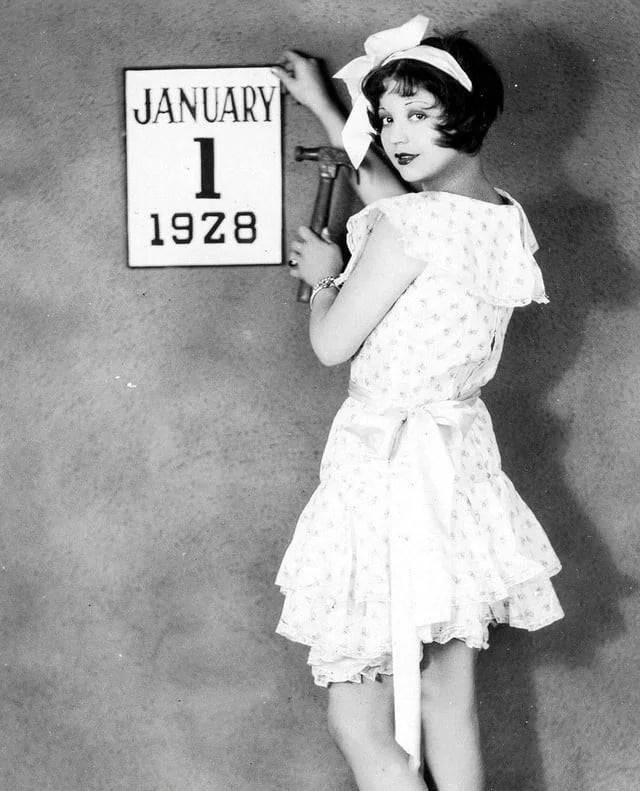


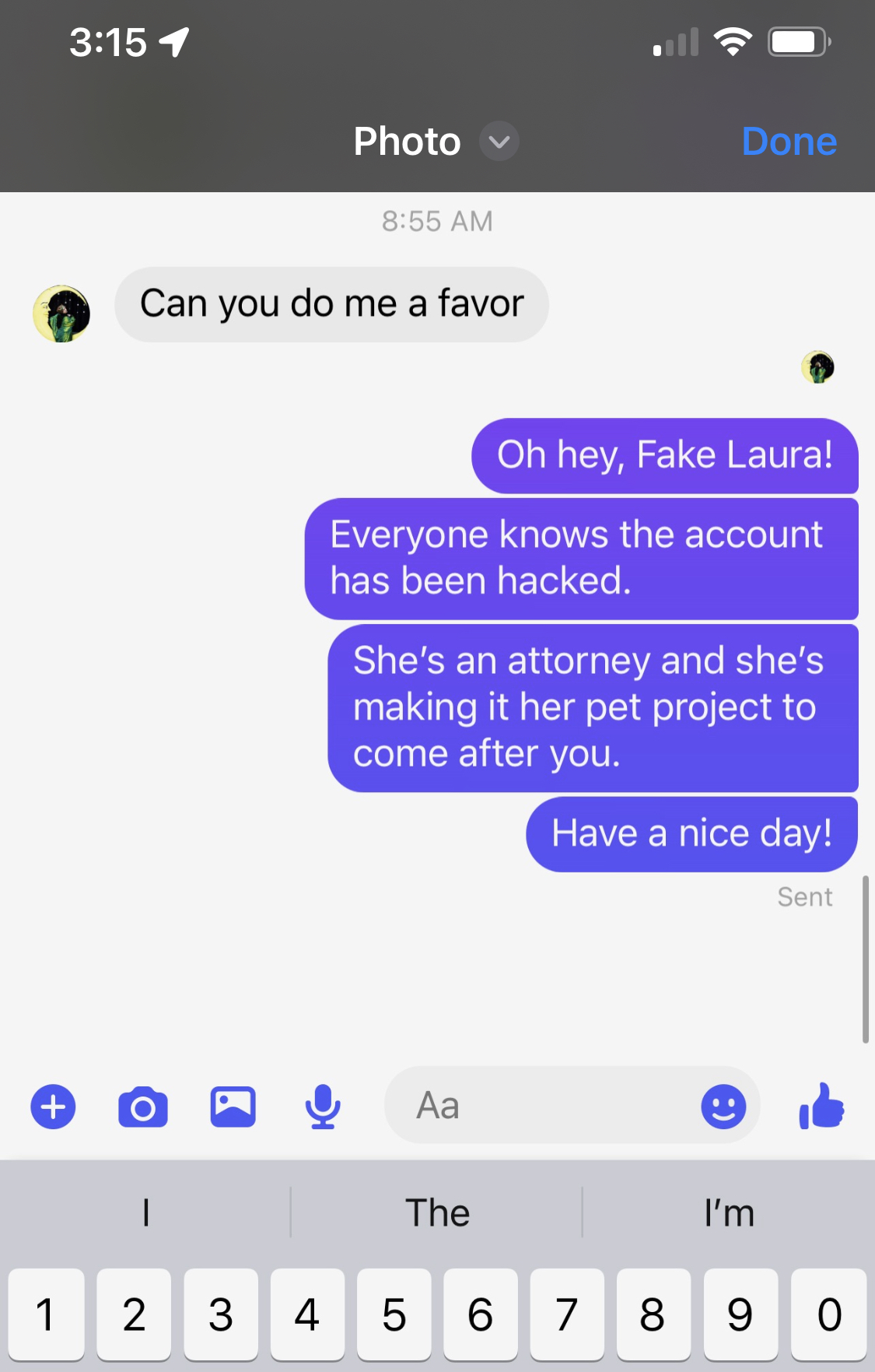

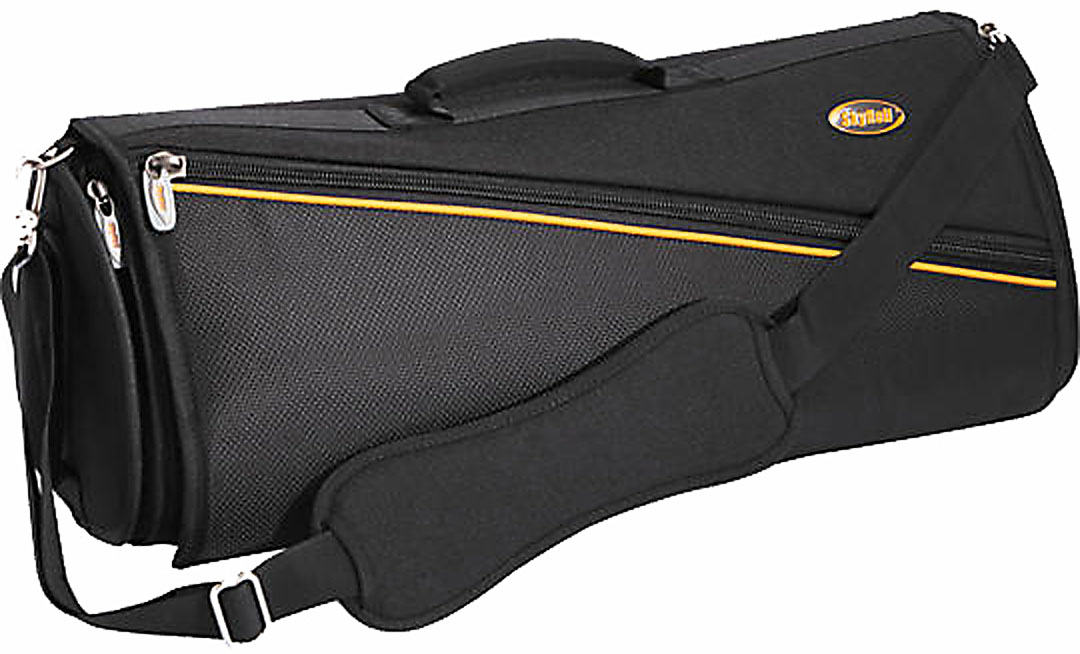


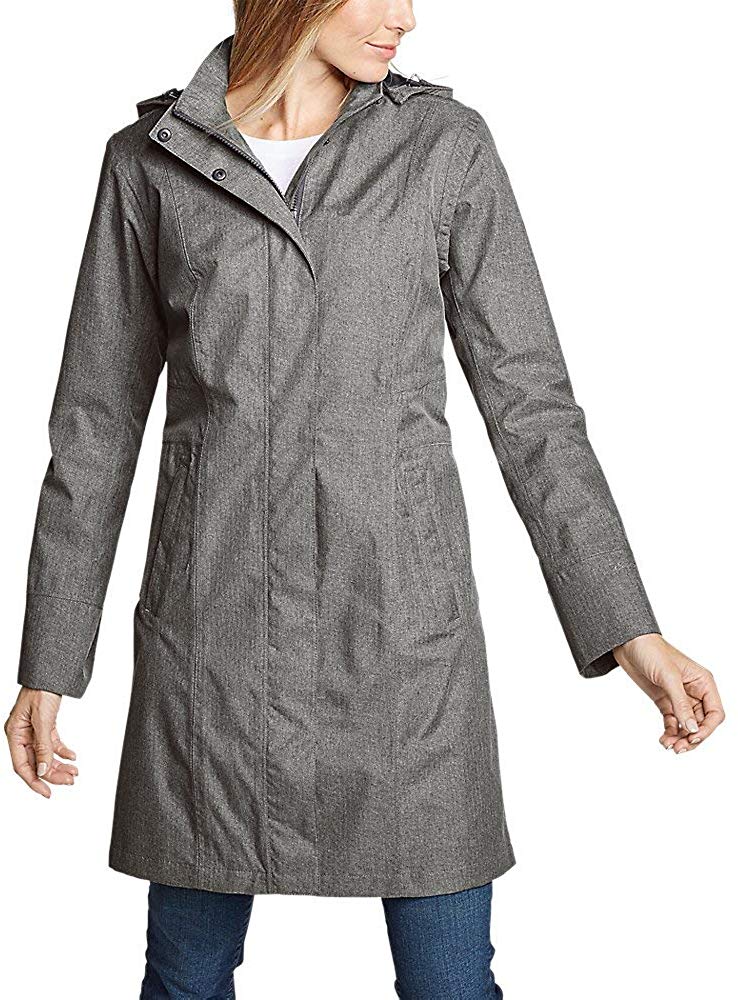






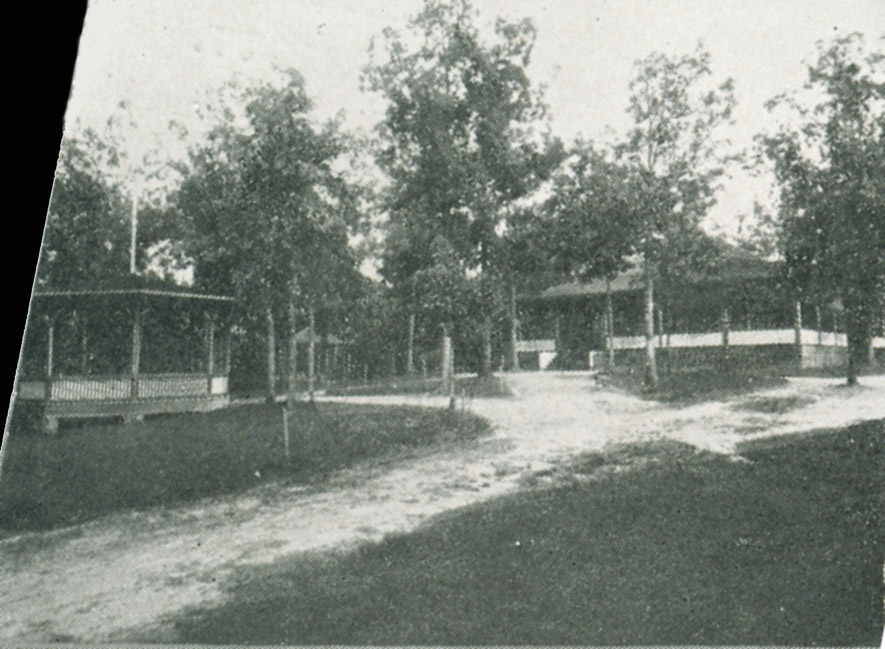

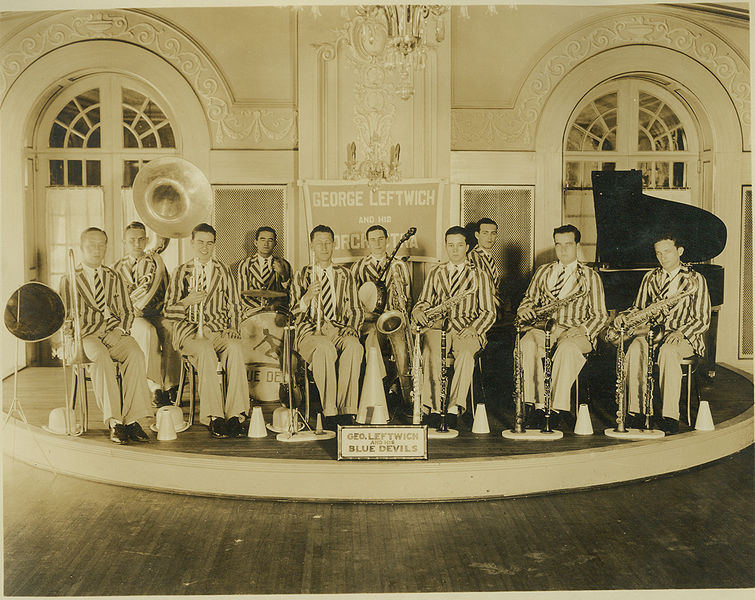
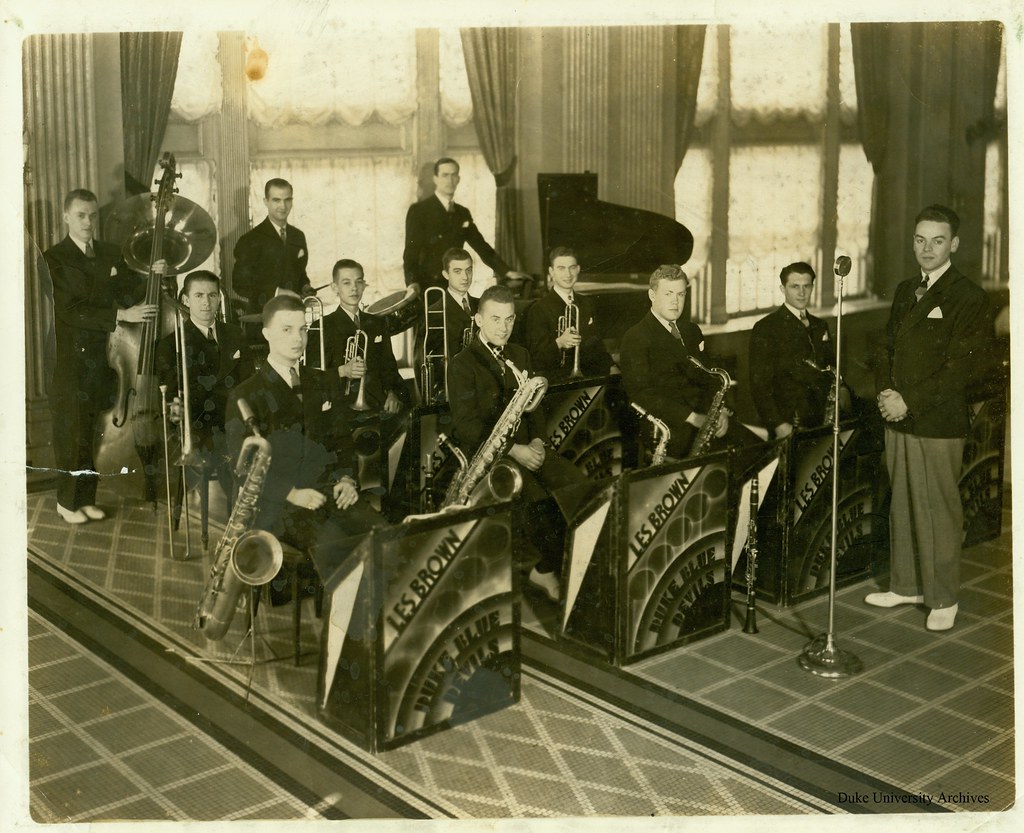
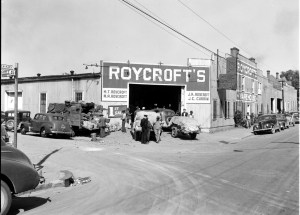


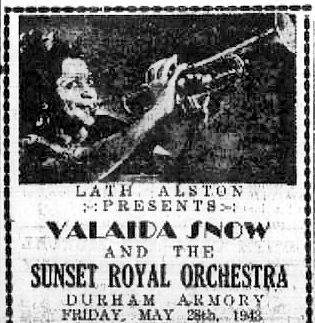


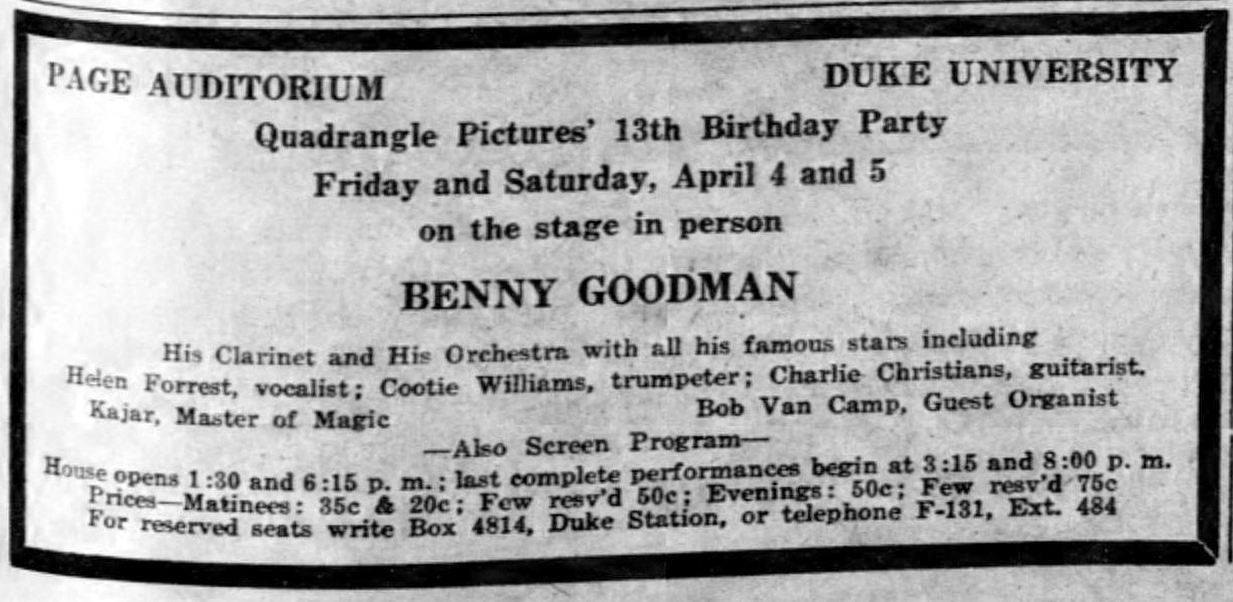


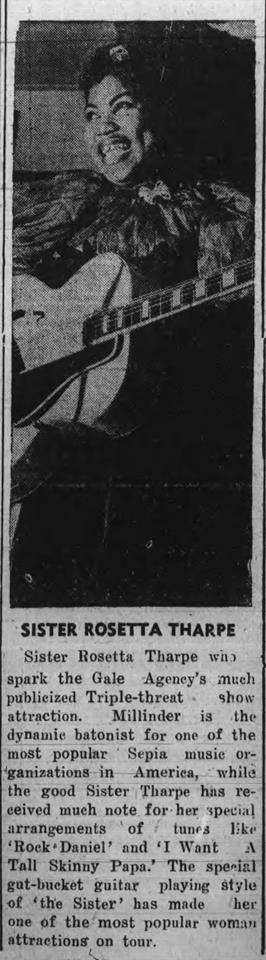

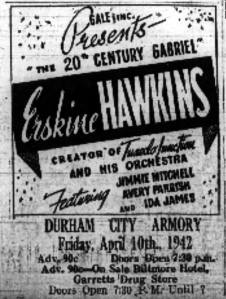
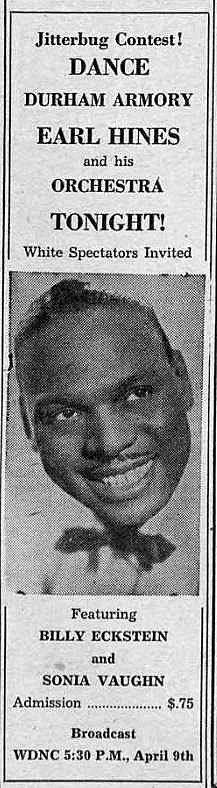


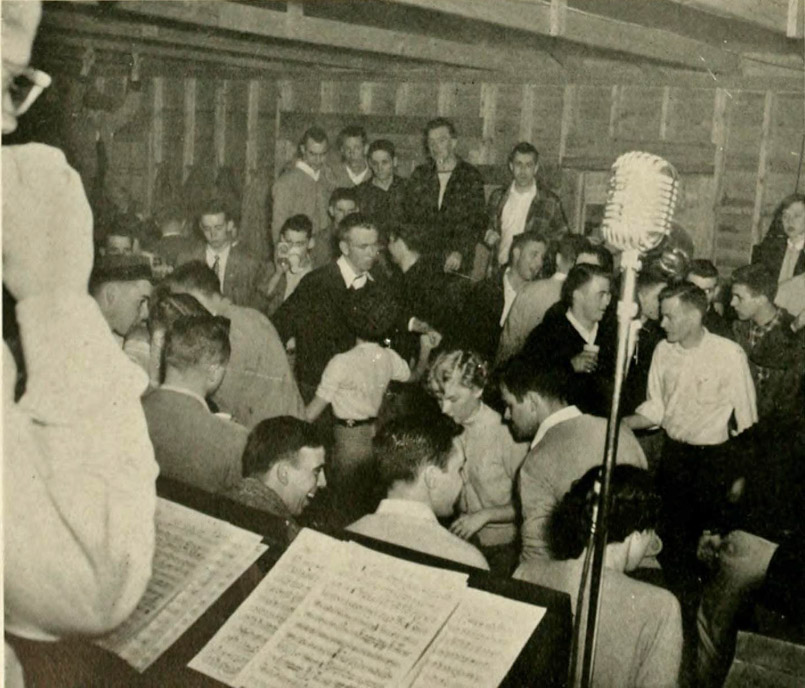
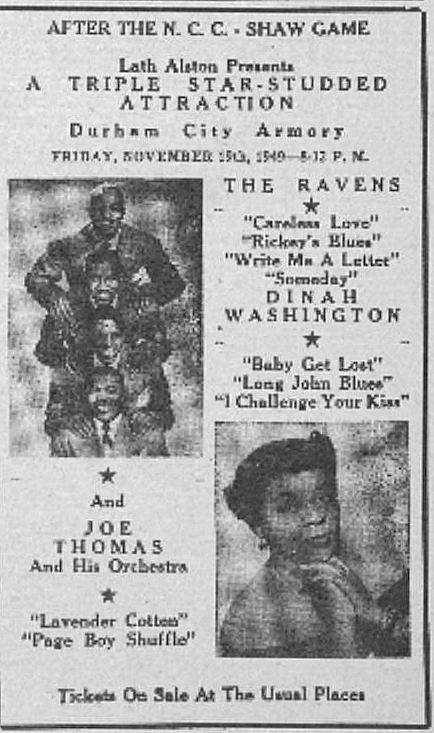

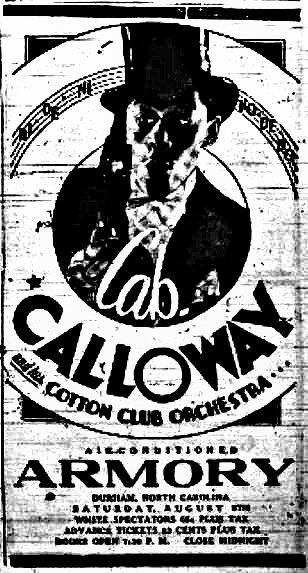


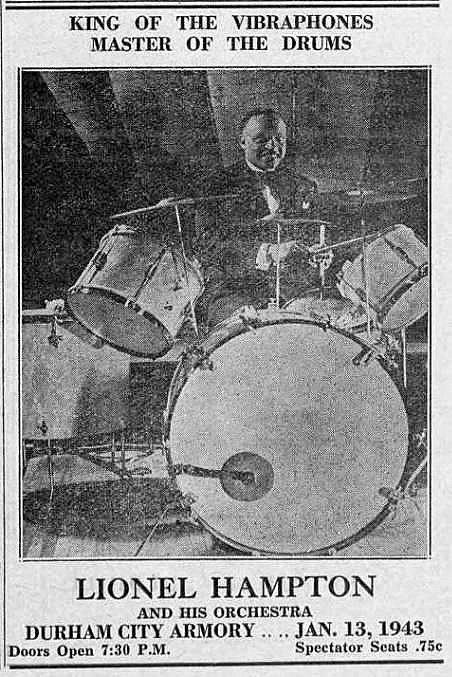
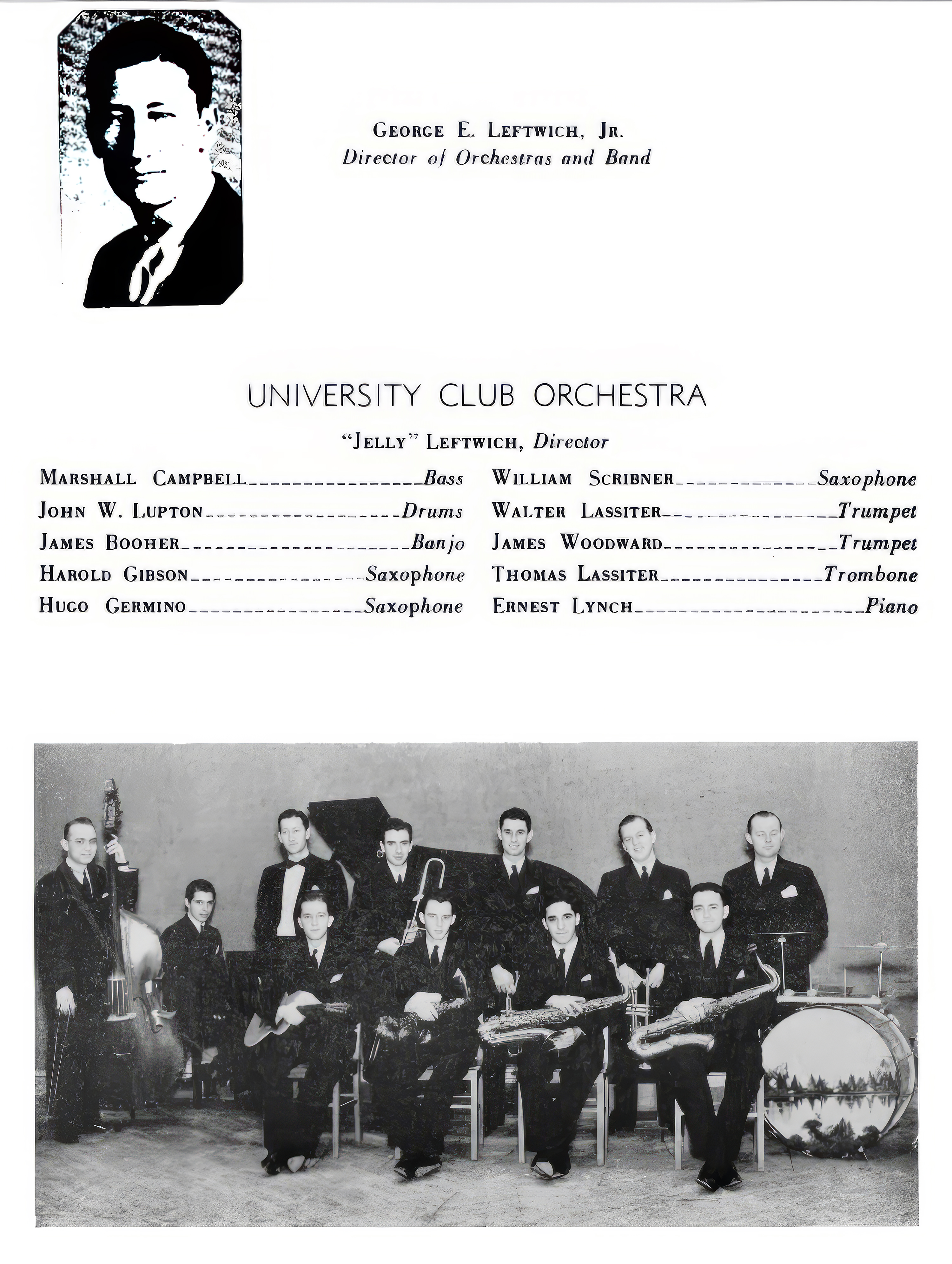


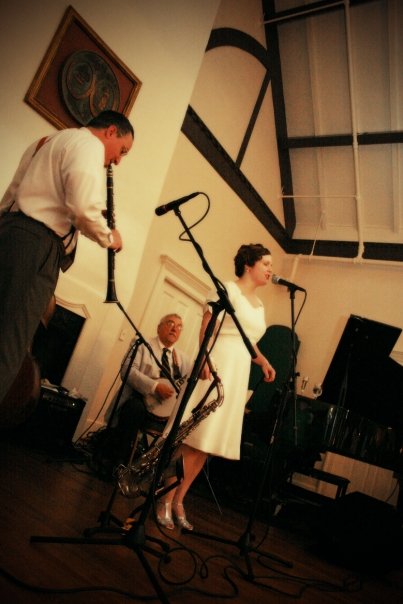

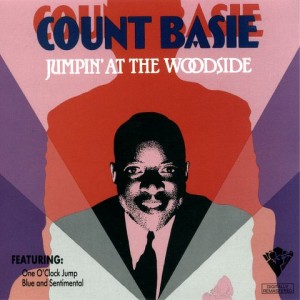





 Laura Windley